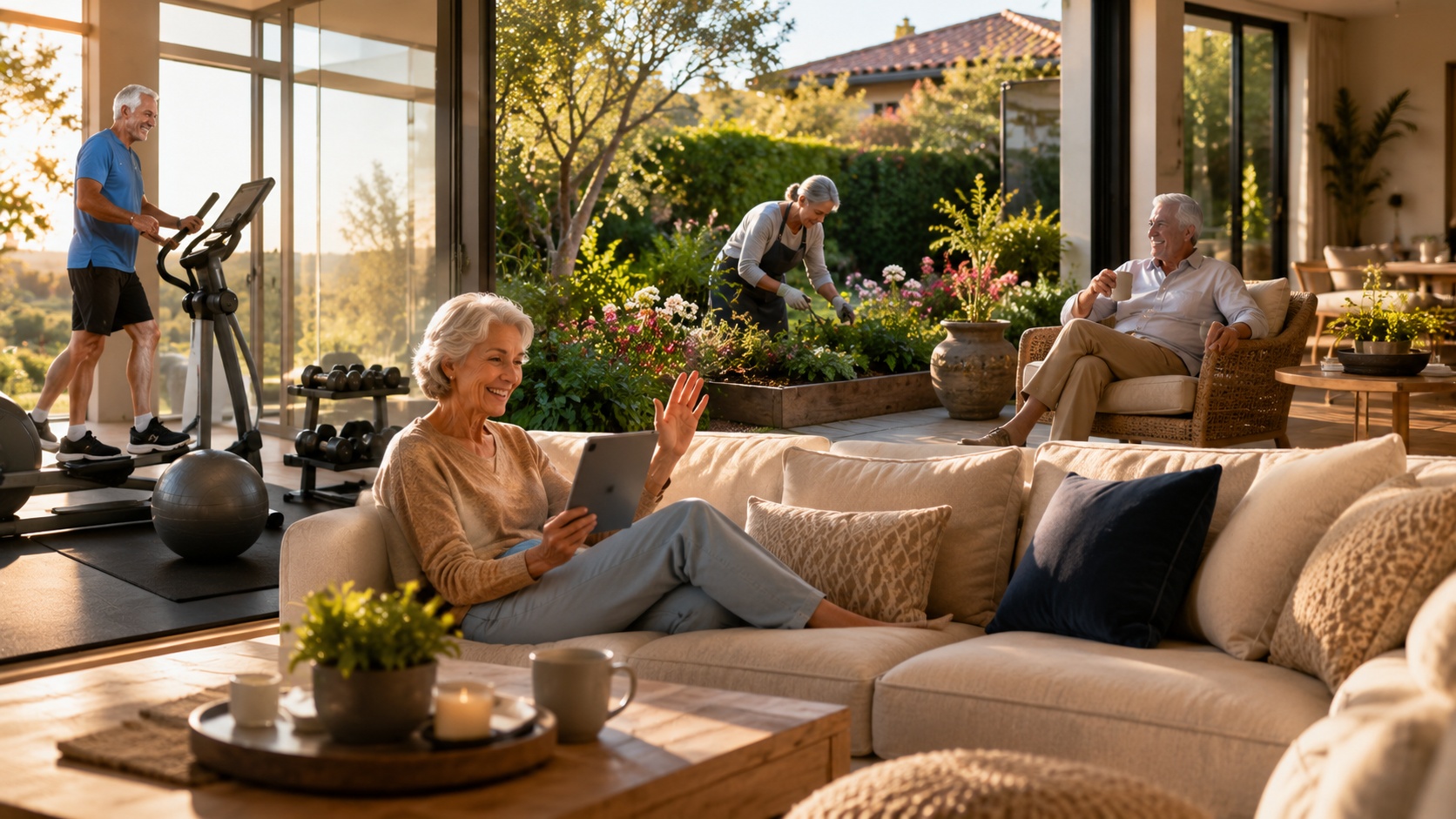
For many older adults, there is no place quite like home. It is where memories were made, milestones were celebrated, and everyday routines provide comfort and familiarity. As people live longer and healthier lives, more seniors are choosing to remain in their own homes rather than relocate to assisted living communities or long-term care facilities. This growing trend, known as aging in place, offers the opportunity to maintain independence, preserve cherished relationships, and continue enjoying a familiar lifestyle. Successfully aging in place, however, requires thoughtful planning. Homes that once worked perfectly may present new challenges over time, and everyday tasks can gradually become more difficult without proper preparation. The encouraging news is that many potential obstacles can be addressed long before they become serious problems. Small improvements, smart technology, healthy habits, and a reliable support network can make remaining at home both safe and enjoyable for years to come. Whether you are planning for yourself, helping aging parents, or supporting another loved one, understanding the fundamentals of aging in place can help create an environment that encourages independence without compromising safety. With the right strategies, home can continue to be the best place to live throughout retirement.
A: It means remaining in your own home and community safely, comfortably, and independently as your needs change.
A: Bathrooms are often the highest priority because wet surfaces, limited space, and transfers can increase fall risks.
A: No. They may also be helpful beside the toilet, near the bathtub, and anywhere extra stability is needed.
A: Add secure handrails on both sides, improve lighting, repair loose steps, and use visible contrasting strips along step edges.
A: Not always. Many homes become safer through affordable changes such as better lighting, nonslip flooring, and easier-to-use hardware.
A: Choose firm, slip-resistant, low-glare flooring with smooth transitions and minimal height differences between rooms.
A: Yes. Smart lights, doorbells, thermostats, medication reminders, and emergency devices can improve convenience and security.
A: Consider one when living alone, experiencing falls, managing health conditions, or wanting faster access to emergency assistance.
A: An occupational therapist, certified aging-in-place specialist, contractor, or qualified home-safety professional can provide recommendations.
A: Review it at least annually and after any fall, hospitalization, diagnosis, mobility change, or major home renovation.
Planning Early Makes Every Decision Easier
One of the greatest advantages of preparing for aging in place is having the freedom to make decisions without urgency. Waiting until after a fall, illness, or major health event often forces families into stressful choices with limited options. Planning years in advance allows homeowners to make gradual improvements while considering both current and future needs.
Evaluating the home’s layout is an excellent place to begin. Multi-story homes may eventually require relocating the primary bedroom to the first floor. Narrow hallways, steep staircases, slippery flooring, and difficult bathroom layouts should all be reviewed with future mobility in mind.
Financial planning is equally important. Budgeting for home improvements, healthcare expenses, maintenance services, transportation, and possible in-home assistance provides peace of mind and reduces financial surprises later in retirement.
The earlier these conversations begin, the more control individuals maintain over their future living arrangements.
Creating a Safer Home Environment
Falls remain one of the leading causes of injuries among older adults, making home safety one of the most important priorities for successful aging in place. Fortunately, many hazards can be eliminated with practical modifications that blend naturally into the home’s appearance.
Proper lighting dramatically improves visibility throughout the house. Bright LED lighting, motion-activated night lights, illuminated pathways, and well-lit staircases reduce the likelihood of accidents during both day and night.
Flooring deserves careful attention as well. Loose rugs, curled carpet edges, uneven flooring, and cluttered walkways create unnecessary tripping hazards. Replacing worn flooring and securing area rugs can make movement much safer without sacrificing style.
Handrails installed on both sides of stairways offer additional stability, while grab bars in bathrooms provide secure support during bathing and toileting. Unlike older institutional designs, today’s grab bars come in attractive finishes that complement modern home décor.
Simple improvements often provide some of the greatest long-term safety benefits.
Designing Every Room for Comfort and Accessibility
Aging in place is about more than preventing accidents. It is also about making everyday life easier and less physically demanding.
Furniture should provide proper support while remaining easy to enter and exit. Chairs that sit too low or sofas that are overly soft can become difficult to use as mobility changes. Adjustable recliners and supportive seating often improve comfort while reducing strain on joints.
Kitchen organization can also reduce unnecessary reaching, bending, and lifting. Frequently used cookware, dishes, and pantry items should be stored between waist and shoulder height whenever possible. Pull-out shelves, lazy Susans, and drawer organizers increase accessibility while reducing physical effort.
Bedrooms should encourage restful sleep and easy movement. Adequate walking space around the bed, accessible lighting controls, sturdy bedside tables, and supportive mattresses all contribute to both safety and comfort.
Bathrooms deserve particular attention because they combine water, slippery surfaces, and frequent daily use. Walk-in showers, handheld showerheads, non-slip flooring, comfort-height toilets, and shower seating help create a safer environment while preserving dignity and independence.
Smart Home Technology Makes Independent Living Easier
Modern technology has transformed aging in place by offering convenient tools that simplify everyday life without requiring advanced technical knowledge.
Voice-controlled assistants can answer questions, set medication reminders, control lighting, adjust thermostats, play music, and even contact family members using simple spoken commands.
Smart thermostats automatically regulate indoor temperatures, improving both comfort and energy efficiency throughout changing seasons.
Video doorbells allow homeowners to see visitors before opening the door, increasing personal security while reducing unnecessary trips to the entrance.
Medical alert systems have evolved far beyond traditional emergency buttons. Many wearable devices now include automatic fall detection, GPS tracking, two-way communication, and direct emergency response services.
Smart smoke detectors, carbon monoxide alarms, leak sensors, and security cameras provide additional peace of mind for both seniors and their families.
Technology should support independence rather than replace it, serving as an invisible helper that quietly improves daily living.
Maintaining Physical Health at Home
Good health remains the strongest foundation for successful aging in place. Regular exercise helps preserve balance, flexibility, muscle strength, and cardiovascular fitness while reducing the risk of falls and chronic disease.
Walking remains one of the most accessible forms of exercise for older adults. Whether outdoors, at shopping malls, or on home treadmills, regular walking supports heart health, circulation, and mental well-being. Strength training is equally valuable. Light resistance bands, hand weights, or bodyweight exercises help maintain muscle mass that naturally declines with age.
Balance exercises such as tai chi, yoga, or guided stability routines improve coordination while lowering fall risk.
Nutrition also plays a major role. A balanced diet rich in vegetables, fruits, lean proteins, healthy fats, whole grains, and adequate hydration supports energy, immune function, and healthy aging. Routine medical checkups, preventive screenings, vision exams, hearing evaluations, dental care, and medication reviews allow potential concerns to be addressed before they interfere with independent living.
Medication Management Simplifies Daily Life
Many older adults manage multiple prescriptions, making medication organization increasingly important.
Weekly pill organizers help simplify complex schedules while reducing missed doses. Electronic medication dispensers provide reminders and can even release medications at scheduled times. Keeping an updated medication list available for healthcare providers and emergency responders ensures accurate treatment when needed.
Pharmacists can often identify duplicate medications, possible interactions, and opportunities to simplify prescription schedules. Regular medication reviews help improve both safety and effectiveness. Family members should understand where medications are stored and know emergency contact information should unexpected situations arise.
Mental Wellness Supports Long-Term Independence
Aging in place is not solely about physical safety. Emotional well-being plays an equally important role in maintaining quality of life.
Remaining socially connected helps reduce loneliness and isolation, both of which have been linked to poorer physical and mental health outcomes.
Regular visits with family members, neighborhood gatherings, volunteer work, faith communities, book clubs, hobby groups, and recreational classes provide valuable opportunities for social interaction.
Lifelong learning keeps the brain engaged. Reading, puzzles, language classes, music lessons, gardening, creative arts, and online educational programs stimulate cognitive function while creating new interests.
Maintaining a sense of purpose contributes greatly to happiness throughout retirement. Many older adults continue mentoring younger generations, volunteering for charitable organizations, or pursuing entrepreneurial projects that provide fulfillment and community involvement.
A healthy mind often supports a healthier body.
Preparing for Changing Mobility Needs
Mobility often changes gradually rather than suddenly, making flexible planning especially valuable.
Canes, walkers, stair lifts, mobility scooters, and wheelchairs should be viewed as tools that preserve independence rather than symbols of decline. Doorways may eventually require widening to accommodate mobility devices. Lever-style door handles become easier to operate than traditional knobs. Ramps can provide convenient access where steps once created barriers.
Choosing adaptable home improvements allows individuals to remain comfortable even as physical abilities evolve over time. Occupational therapists can evaluate homes and recommend practical modifications based on individual needs and future goals.
Building a Reliable Support Network
Even the most independent individuals benefit from having trusted people available when needed.
Family members often provide emotional encouragement, transportation, household assistance, and companionship. Friends and neighbors can also play important roles by checking in regularly or helping during emergencies.
Professional caregivers offer another layer of support. Some seniors require only occasional housekeeping or meal preparation, while others benefit from personal care assistance, physical therapy, or skilled nursing services provided in the home.
Community organizations frequently offer transportation, meal delivery, wellness programs, caregiver support, educational classes, and recreational opportunities specifically designed for older adults. Creating a written list of emergency contacts, healthcare providers, nearby relatives, and trusted neighbors ensures help is available whenever necessary.
Financial Planning for Long-Term Success
Remaining at home often costs less than moving into residential care, but aging in place still requires careful financial planning.
Routine home maintenance should never be overlooked. Roofing, plumbing, heating systems, landscaping, and appliance replacement all represent predictable long-term expenses.
Homeowners should also budget for accessibility renovations, healthcare costs, insurance premiums, transportation services, and possible in-home assistance.
Reviewing retirement income, investments, pensions, Social Security benefits, and long-term care insurance helps determine available financial resources.
Working with a financial advisor familiar with retirement planning can help create sustainable spending strategies while protecting future financial security.
Planning today often prevents unnecessary stress tomorrow.
Emergency Preparedness Is Essential
Every household should have a comprehensive emergency plan.
Smoke detectors, fire extinguishers, carbon monoxide alarms, flashlights, batteries, first aid supplies, bottled water, and emergency food should all be easily accessible.
Important documents including insurance policies, identification, medical information, legal documents, and emergency contact lists should be stored securely while remaining easy to locate.
Power outages, severe weather, and natural disasters require additional preparation depending on geographic location. Backup power sources, medication supplies, and communication plans help maintain safety during unexpected events.
Emergency readiness provides confidence while reducing anxiety during challenging situations.
Transportation Beyond Driving
Eventually, some older adults decide to reduce or stop driving. While this transition can feel difficult, maintaining mobility remains entirely possible through thoughtful planning. Many communities offer senior transportation services, volunteer driver programs, rideshare applications, public transit discounts, and medical transportation options.
Family members can coordinate regular shopping trips and medical appointments while preserving independence through shared scheduling. Walkable neighborhoods, grocery delivery, pharmacy delivery, and online shopping further reduce transportation challenges while making daily living more convenient.
Losing the ability to drive does not have to mean losing freedom.
Legal Planning Protects Future Wishes
Preparing legal documents is an important part of responsible retirement planning.
A current will helps ensure personal wishes are clearly documented. Durable powers of attorney allow trusted individuals to manage financial matters if necessary.
Healthcare directives and living wills communicate medical preferences should someone become unable to make decisions independently.
Beneficiary designations, insurance policies, property records, and digital account information should all remain organized and periodically reviewed.
Working with qualified legal professionals provides reassurance that documents comply with current laws while accurately reflecting personal wishes.
Supporting Caregivers Along the Journey
Many families work together to make aging in place successful. Caregivers often balance employment, parenting, and personal responsibilities while helping aging relatives maintain independence. Open communication reduces misunderstandings and allows responsibilities to be shared fairly. Scheduling regular family discussions ensures everyone understands changing needs and available resources.
Caregivers should also prioritize their own health by maintaining medical appointments, exercising regularly, getting adequate sleep, and seeking emotional support when needed. Community respite programs, support groups, counseling services, and caregiver education programs provide valuable assistance during challenging periods.
Healthy caregivers are better equipped to provide compassionate, consistent support.
The Future of Aging in Place
Advancements in healthcare, smart home technology, telemedicine, robotics, artificial intelligence, wearable health monitoring, and home automation continue making independent living more achievable than ever before.
Virtual doctor appointments increase healthcare accessibility without requiring transportation. Remote monitoring devices allow healthcare providers to identify potential concerns earlier. Automated lighting, smart appliances, robotic vacuum cleaners, and connected home systems reduce everyday physical demands.
Future innovations will likely continue expanding opportunities for seniors to remain safely in their homes while enjoying greater independence and higher quality of life. Technology will increasingly work alongside family members, healthcare professionals, and community organizations to create supportive environments tailored to individual needs.
Conclusion
Aging in place is about far more than remaining in the same house. It is about preserving independence, protecting dignity, maintaining meaningful relationships, and continuing to enjoy the comfort of a familiar environment. With thoughtful planning, practical home improvements, healthy daily habits, modern technology, financial preparation, and a dependable support network, older adults can confidently navigate the changing seasons of life while remaining safe and comfortable at home.
The journey begins with small steps taken today. Every grab bar installed, every exercise completed, every emergency plan prepared, and every conversation held with loved ones contributes to a stronger foundation for tomorrow. Aging in place is not simply a housing choice—it is a lifestyle built on preparation, resilience, and the belief that home can continue to be the center of a rich, fulfilling, and independent life for many years to come.