
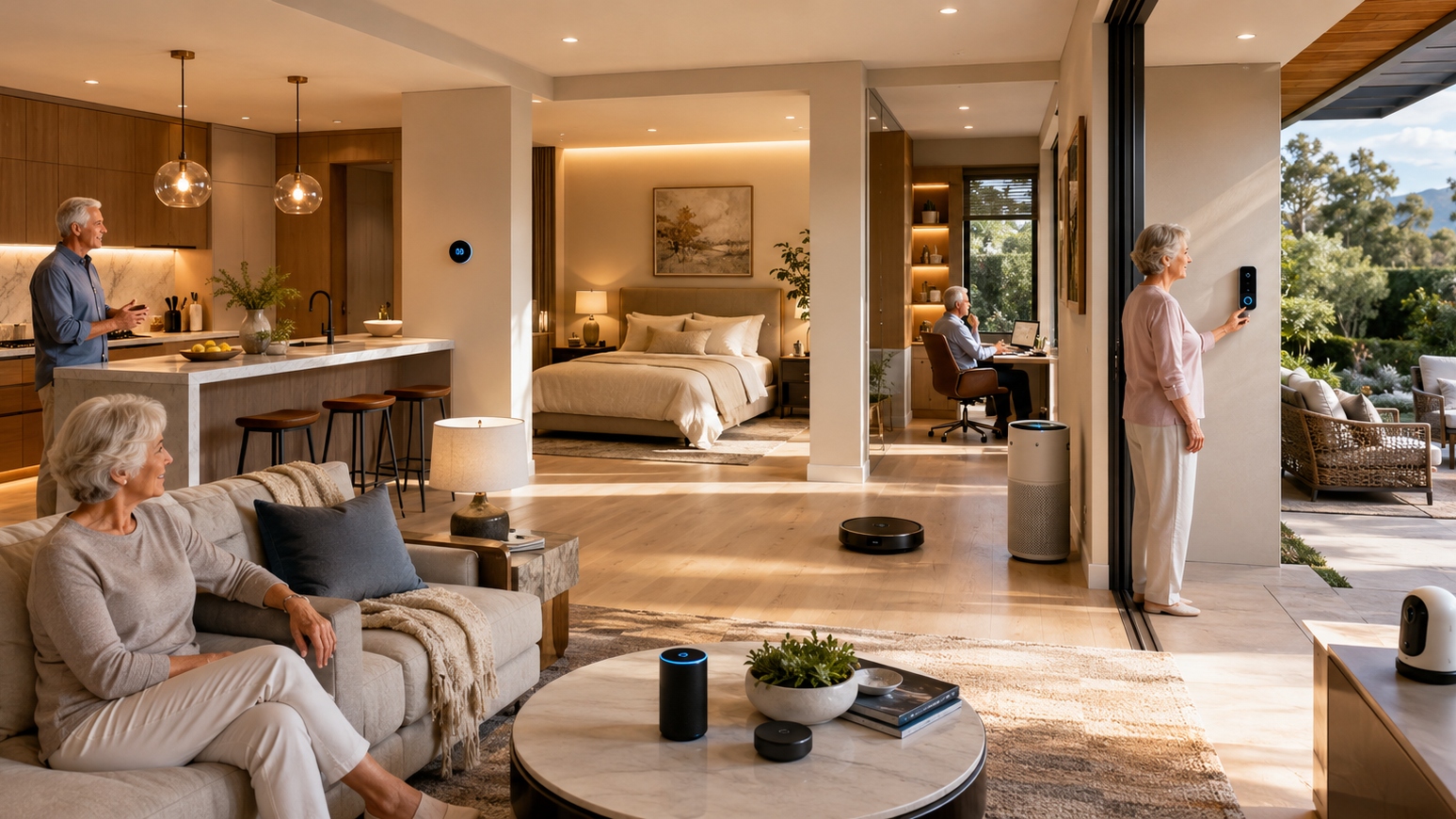
Smart home devices are transforming everyday living by making homes safer, more convenient, and easier to manage, especially for older adults who want to maintain independence without sacrificing comfort. From voice-controlled assistants and smart lighting to connected thermostats, video doorbells, security systems, and automated appliances, today’s technology offers practical solutions that simplify daily routines while providing valuable peace of mind. Whether you’re interested in improving home security, reducing energy costs, staying connected with loved ones, or creating a more accessible living environment, smart home technology continues to evolve with user-friendly features designed for every experience level. This collection of expert guides explores the latest smart home devices, compares leading products, explains essential features, and provides practical advice for choosing the right solutions for your lifestyle and budget. You’ll also discover installation tips, compatibility insights, privacy considerations, and recommendations for building a connected home that grows with your needs. Explore our comprehensive resources and discover how smart home technology can help create a safer, smarter, and more enjoyable place to live for years to come.
A: A smart speaker, smart bulb, or smart plug is usually an approachable starting point because each offers useful features with minimal installation.
A: Many use a smartphone for setup, but everyday controls may also be available through voice commands, wall switches, remotes, or automated routines.
A: It depends on the product. Devices with local controls may continue working, while cloud-dependent features may temporarily stop.
A: Smart bulbs and plugs are usually simple, while thermostats, locks, cameras, switches, and wired doorbells may require professional installation.
A: Yes. Motion lighting, leak detectors, smart locks, cameras, alarms, reminders, and emergency communication features can support safer independent living.
A: They continuously listen for a wake phrase, but privacy controls can usually mute microphones, delete recordings, and limit stored voice data.
A: No. Compatibility varies, so check whether each product supports the same platform, hub, application, or interoperability standard.
A: Basic functions may be free, but cloud video storage, professional monitoring, advanced alerts, and extended history often require a subscription.
A: Use clearly named devices, simple routines, shared access permissions, printed instructions, and traditional controls as backups.
A: Strengthen Wi-Fi coverage, choose a primary platform, review privacy settings, and confirm that current devices are reliable and easy to manage.