
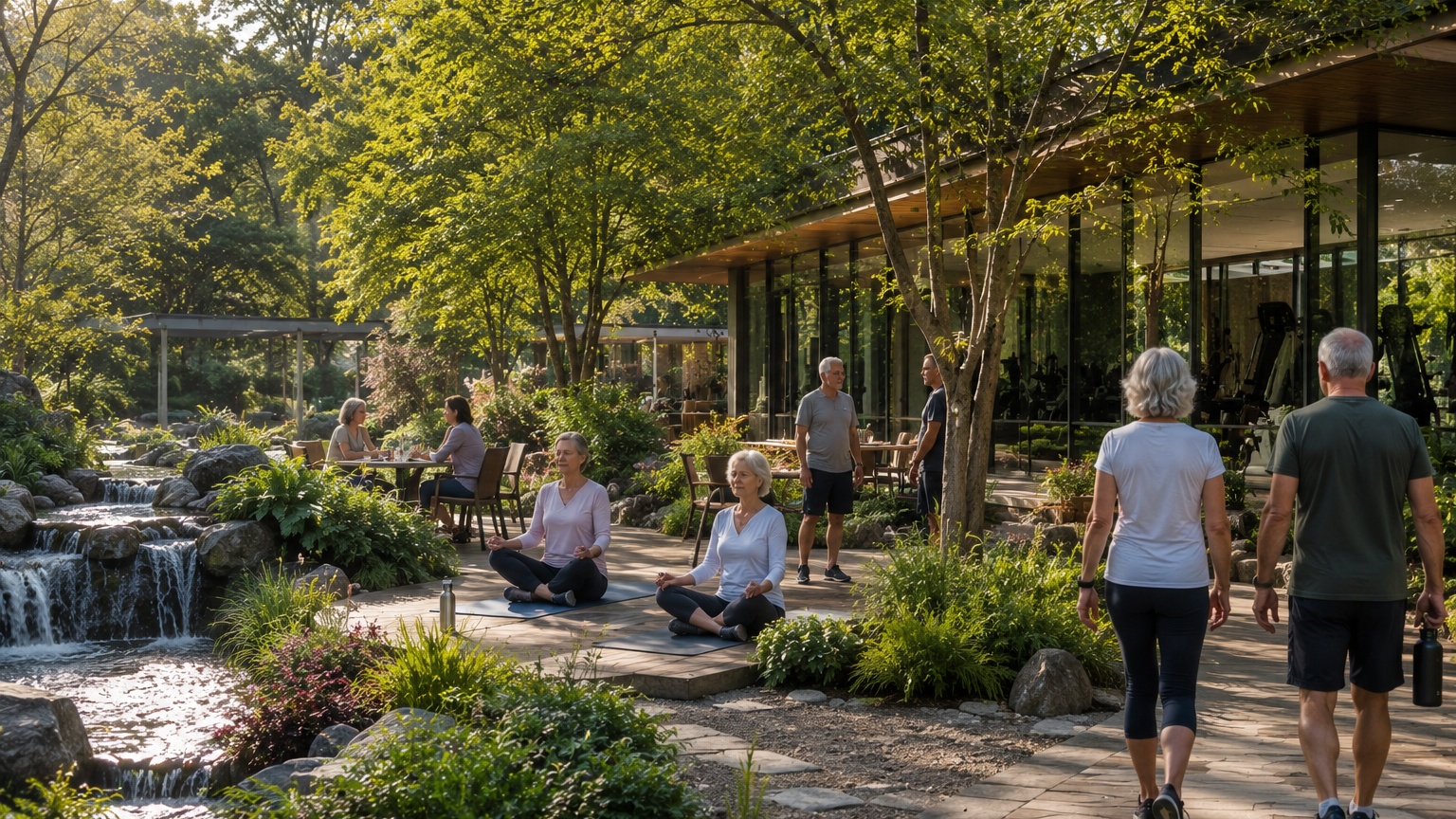
Longevity Science explores one of the most exciting frontiers in modern health: understanding how to extend not just lifespan, but healthspan—the years spent living actively, independently, and with purpose. As researchers uncover new insights into aging, cellular health, genetics, nutrition, exercise, sleep, and disease prevention, more practical strategies are becoming available to help older adults thrive. Whether you’re interested in the latest scientific breakthroughs or simple daily habits backed by credible research, this collection of articles makes complex topics easy to understand and apply. You’ll discover evidence-based guidance on healthy aging, inflammation, brain health, metabolic wellness, longevity-focused nutrition, emerging therapies, lifestyle optimization, and the habits shared by the world’s longest-living populations. Our goal is to separate proven science from hype, helping you make informed decisions that support a stronger body, sharper mind, and higher quality of life. Whether you’re planning for the decades ahead or simply looking to feel your best today, Senior Street’s Longevity Science resource center provides trusted, practical information designed to help you embrace aging with confidence, vitality, resilience, and lasting wellness.
A: It is the study of aging, healthspan, disease prevention, and strategies that may help people live healthier for longer.
A: Healthspan refers to the years a person lives in good health with strength, independence, and quality of life.
A: Yes. Movement, nutrition, sleep, stress management, and connection can all support healthier aging.
A: A balanced mix of walking or cardio, strength training, flexibility, and balance work is ideal for many seniors.
A: No. With safe, consistent strength training, older adults can improve strength, stability, and function.
A: Whole foods such as vegetables, fruits, beans, nuts, whole grains, lean proteins, and healthy fats are strong foundations.
A: Sleep is essential for recovery, brain health, immune support, mood, and daily energy.
A: Some may help in specific cases, but food, movement, sleep, and medical guidance should come first.
A: Long-term stress may affect inflammation, sleep, heart health, and emotional well-being.
A: Start with a daily walk, a protein-rich meal, better sleep habits, and one meaningful social connection.