
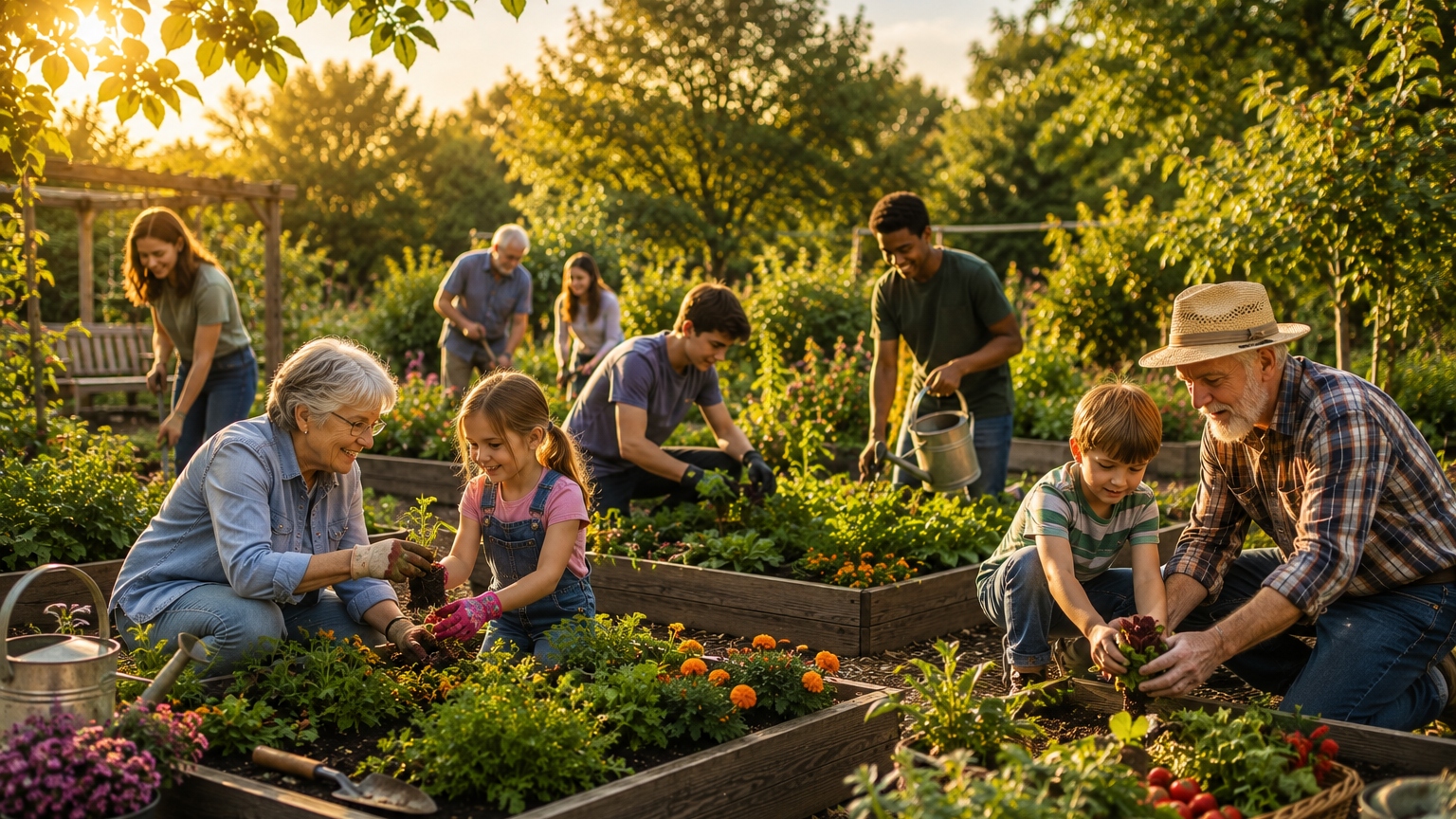
Great ideas have no age limit, and some of life’s most meaningful experiences happen when generations come together to learn, create, and inspire one another. Intergenerational projects build lasting connections between older adults, children, teens, and young professionals through shared activities that celebrate knowledge, creativity, and community. From mentoring programs and family history projects to community gardens, technology tutoring, volunteer initiatives, art collaborations, and neighborhood improvement efforts, these experiences strengthen relationships while benefiting everyone involved. Seniors gain fresh perspectives, renewed purpose, and opportunities to share decades of wisdom, while younger generations discover valuable life lessons, practical skills, and meaningful friendships. This section of Senior Street explores the many ways intergenerational projects enrich communities and create lasting memories across every stage of life. You’ll find expert advice, inspiring success stories, practical planning guides, innovative project ideas, and resources that make it easy to participate or even launch your own program. Whether you’re looking to connect with grandchildren, mentor students, volunteer in your community, or discover rewarding activities that bridge generations, these articles will help you build stronger relationships, encourage lifelong learning, and create experiences that leave a lasting legacy for everyone involved.
A: It is an organized activity that brings people from different age groups together to learn, create, serve, or socialize.
A: Check libraries, schools, senior centers, museums, community gardens, faith organizations, nonprofits, and volunteer networks.
A: Usually not. Curiosity, patience, reliability, and a willingness to connect are often the most important qualifications.
A: Reading programs, gardening, crafts, cooking, technology help, interviews, games, and neighborhood service projects are approachable choices.
A: It can be a single event, but recurring programs usually provide more time for meaningful relationships to develop.
A: Offer adaptable tasks, accessible spaces, comfortable seating, flexible pacing, and several ways to contribute.
A: Begin with a shared activity, provide simple conversation prompts, and avoid putting participants on the spot.
A: Programs involving children or vulnerable adults may require screening, supervision, permission forms, and specific safety procedures.
A: Yes. Recording family stories, organizing photographs, cooking recipes, building a garden, or volunteering together are excellent options.
A: Look for consistent participation, positive feedback, new skills, stronger relationships, increased confidence, and interest in continuing.