
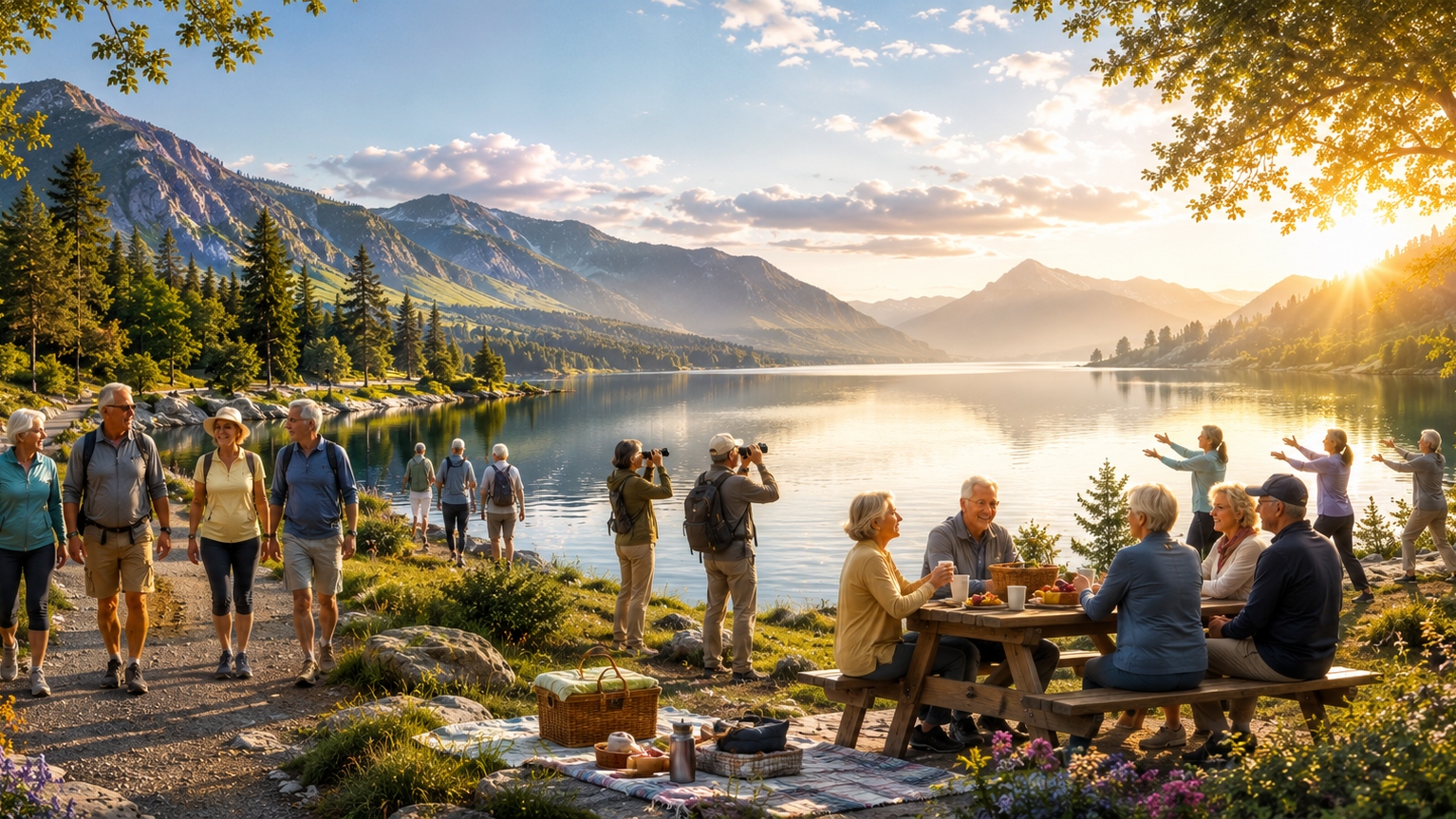
Social Clubs and Groups are one of the best ways for older adults to stay active, build lasting friendships, and discover new interests while enjoying every stage of life. Whether you’re looking for a neighborhood book club, a travel group, a gardening society, a walking club, or a community organization that shares your passions, there are countless opportunities to connect with people who enjoy the same activities. At Senior Street, we believe meaningful relationships are just as important as healthy habits, and joining a social group can bring purpose, laughter, and fresh experiences into everyday life. This collection of in-depth articles explores the many types of clubs available for seniors, offers practical tips for finding the right fit, and highlights the physical, emotional, and social benefits of staying involved. You’ll also discover ideas for starting your own group, participating in volunteer organizations, attending local events, and making genuine connections in your community. Whether you’re newly retired, relocating, or simply ready to expand your social circle, our expert resources will help you find welcoming communities where friendships flourish and new adventures begin.
A: Check senior centers, libraries, recreation departments, community calendars, faith organizations, and local online groups.
A: It depends on the group; many welcome visitors and people exploring spirituality, while others serve a specific congregation.
A: Begin with a small group, attend with a friend, and give yourself permission to listen before participating.
A: Yes. Look for accessible venues, seated activities, transportation assistance, home-based groups, or virtual meetings.
A: Weekly or monthly meetings are common, but the best schedule is one members can attend consistently.
A: Personal spiritual exploration is individual; interfaith and discussion groups may support learning across traditions.
A: Look for transparent leadership, clear expectations, respectful communication, and no pressure involving money or personal information.
A: Bring any requested supplies, emergency contact information if appropriate, and a few questions about the group.
A: Yes. Choose a purpose, find an accessible meeting place, invite a small group, and establish a simple schedule.
A: Keep exploring. Different groups have different personalities, and finding the right community may take several attempts.