
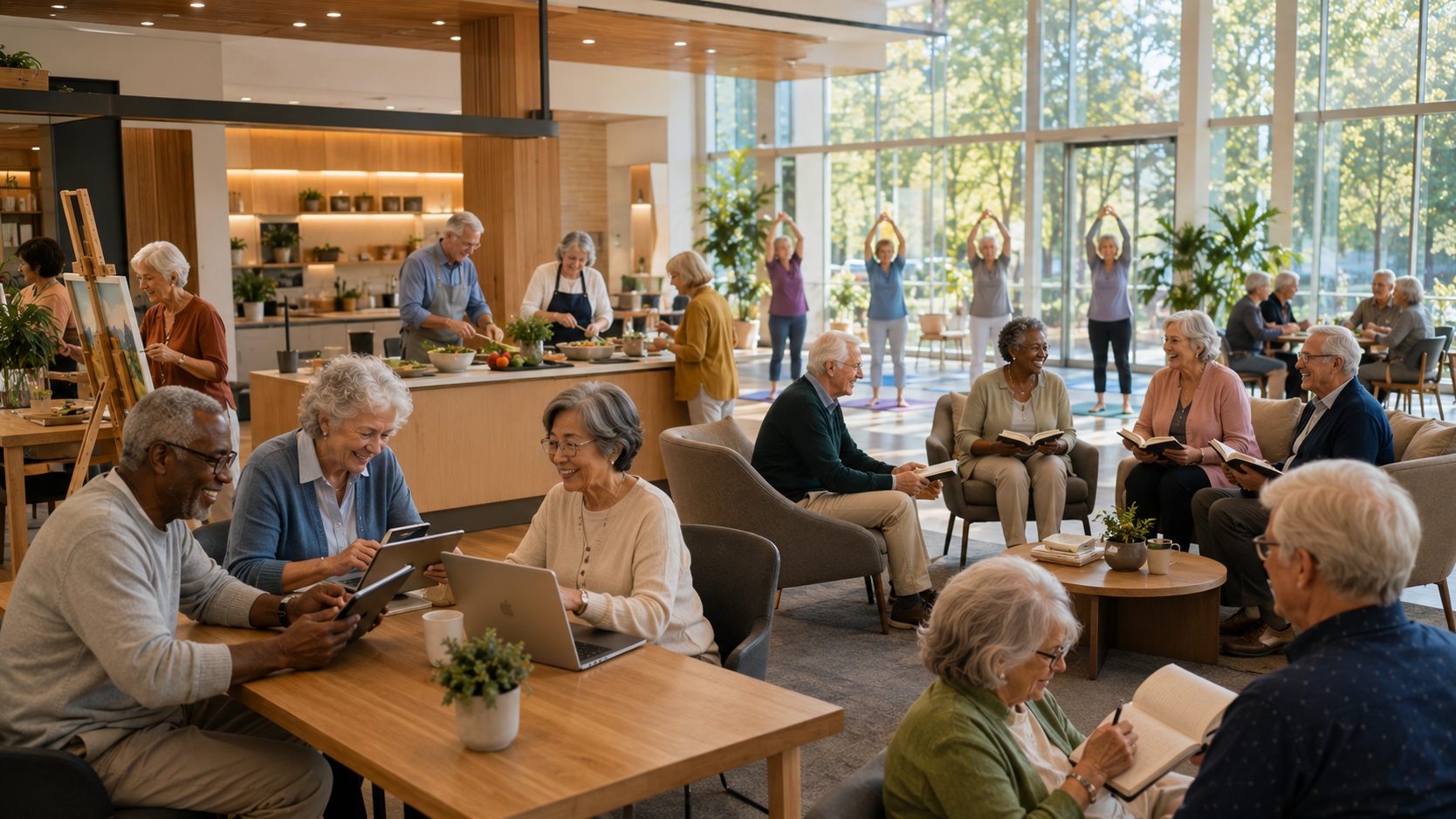
Community Programs bring people together through shared purpose, meaningful activities, and opportunities to stay engaged at every stage of life. On Senior Street, this Community and Connections hub explores the many ways local organizations, nonprofits, recreation centers, libraries, and volunteer groups help older adults build friendships, discover new interests, and remain active within their neighborhoods. Whether you’re searching for educational workshops, fitness classes, hobby clubs, transportation assistance, wellness initiatives, meal programs, cultural events, or intergenerational activities, you’ll find practical resources designed to help you connect with your community. Our in-depth articles highlight inspiring success stories, expert guidance, and helpful tips for finding programs that match your lifestyle, interests, and goals. You’ll also learn how community involvement can improve physical health, mental well-being, confidence, and overall quality of life while creating lasting relationships with others who share similar passions. From small-town gatherings to large city initiatives, Community Programs showcase the power of staying connected and involved. Explore every article to uncover new opportunities, strengthen meaningful relationships, and discover how local programs can help make your retirement years more active, fulfilling, rewarding, and enjoyable every day.
A: Check senior centers, libraries, recreation departments, nonprofits, faith communities, colleges, and local government websites.
A: Some are free, while others charge small fees. Discounts, scholarships, and sliding-scale pricing may be available.
A: Attend an introductory event, arrive a little early, or ask a coordinator to introduce you to other participants.
A: Many offer accessible spaces or adapted activities, but it is helpful to confirm accommodations before attending.
A: Yes. Look for drop-in sessions, trial classes, single-day workshops, or short seasonal programs.
A: Ask about senior transportation, community shuttles, volunteer drivers, public transit assistance, or coordinated carpools.
A: Bring registration details, comfortable clothing, water, required supplies, and any necessary medications or mobility aids.
A: Absolutely. Many organizations welcome participant ideas, instructors, volunteers, and planning committee members.
A: Many organizations continue to offer online classes, discussion groups, support meetings, and hybrid events.
A: Consider the activity level, schedule, cost, accessibility, group size, location, and whether the atmosphere feels welcoming.