
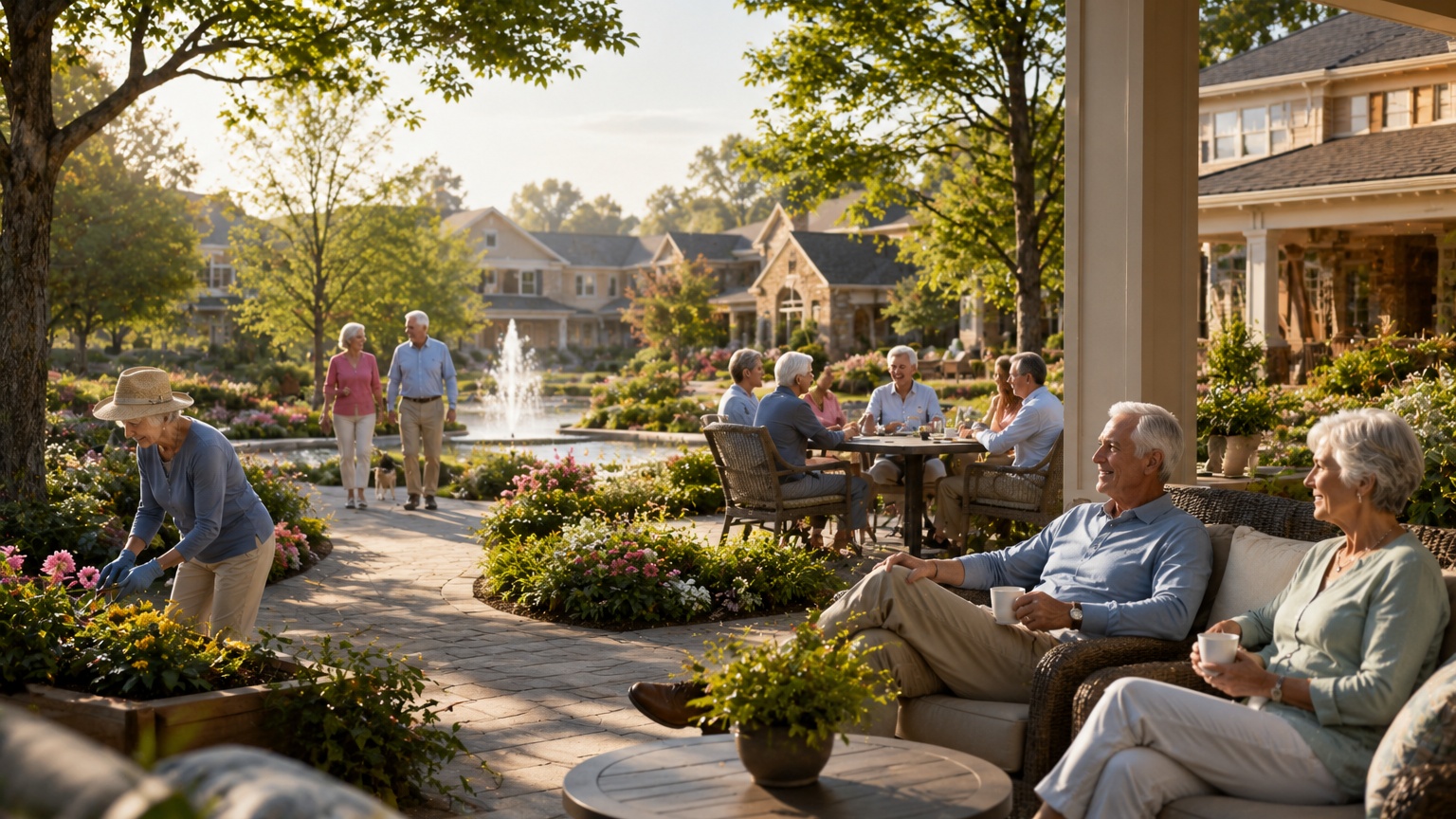
Retirement is more than the end of a career—it’s the beginning of an exciting new chapter filled with freedom, opportunities, and the chance to design the lifestyle you’ve always imagined. Welcome to the Retirement Living section of Senior Street, your trusted resource for expert advice, practical guidance, and inspiring ideas to help you make the most of your retirement years. Whether you’re planning your ideal retirement lifestyle, considering a move to a retirement community, downsizing your home, exploring active adult neighborhoods, or simply looking for new ways to stay engaged and fulfilled, our collection of in-depth articles has you covered. Discover helpful information on retirement housing options, independent living, aging in place, community amenities, social opportunities, wellness, budgeting, travel, hobbies, and creating a balanced daily routine. You’ll also find valuable tips for maintaining independence, building meaningful friendships, embracing lifelong learning, and making confident decisions about your future. No matter your vision for retirement, Senior Street provides reliable resources and fresh inspiration to help you create a rewarding, comfortable, and purpose-filled lifestyle that allows you to enjoy every day to its fullest.
A: Retirement living refers to housing, lifestyle, routines, communities, and choices that support life after work.
A: Aging in place, downsizing, active adult communities, independent living, assisted living, and continuing care communities.
A: Compare location, cost, amenities, culture, care options, transportation, dining, safety, and lifestyle fit.
A: It can be, especially if you want less maintenance, lower costs, and a simpler daily routine.
A: It means staying in your own home while making updates that support safety and independence.
A: Walk, join classes, volunteer, travel, garden, learn new skills, and participate in community events.
A: No, they offer flexibility; residents can join activities or enjoy privacy as they prefer.
A: Ask about fees, services, activities, transportation, meals, maintenance, safety, guests, and future care options.
A: Build routines around purpose, relationships, hobbies, wellness, learning, service, and relaxation.
A: Start before a move or care need becomes urgent so decisions feel calm and confident.