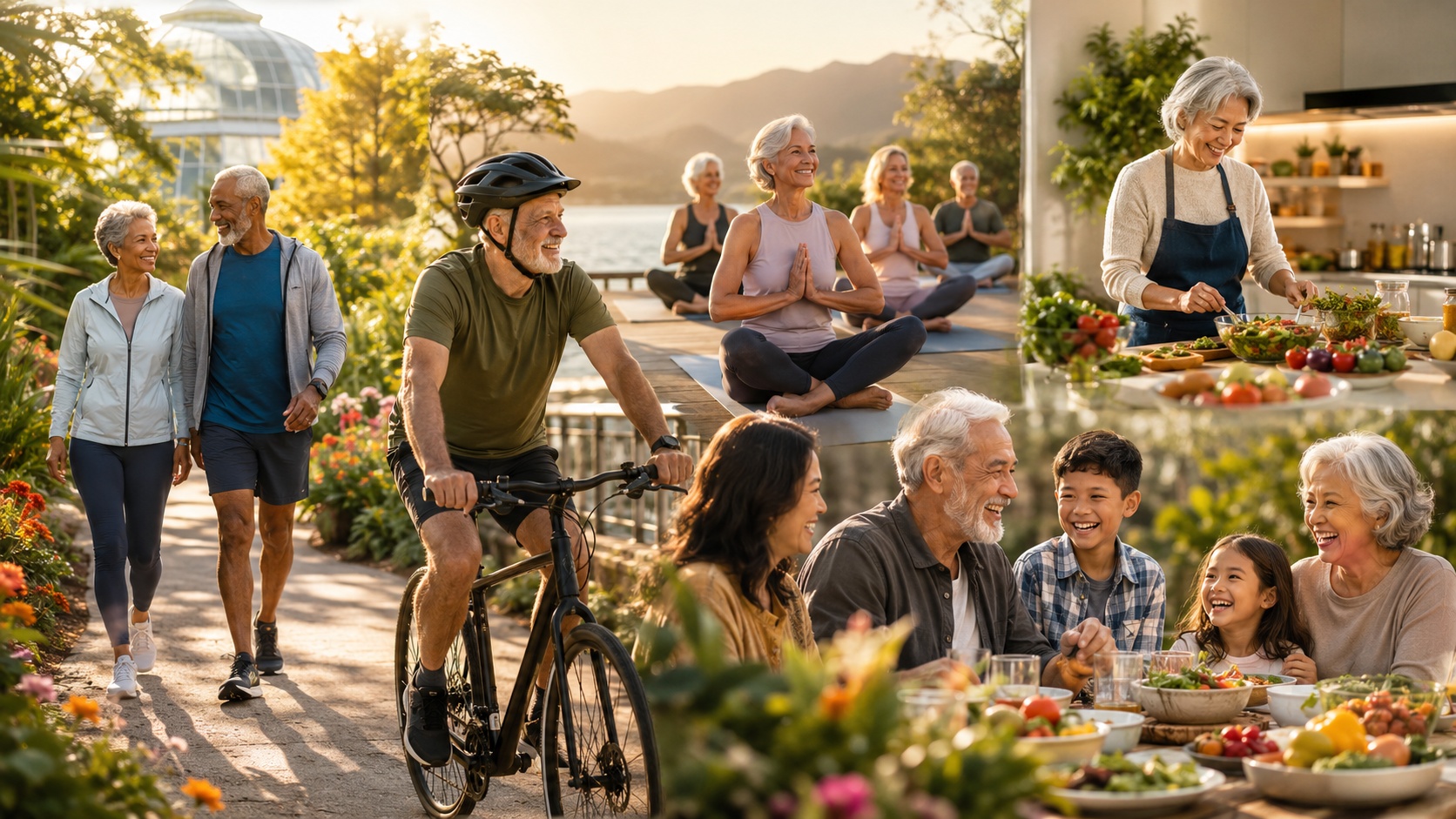
The Journey to Healthy Aging Starts Today
Healthy aging is about more than adding years to your life—it’s about adding life to your years. While aging brings natural changes, modern research shows that daily habits like eating well, staying active, sleeping enough, managing stress, and maintaining strong social connections can significantly improve long-term health and independence. Whether you’re planning for the future or enjoying your senior years, it’s never too early or too late to invest in your well-being. This guide explores the essential pillars of healthy aging and practical, science-backed strategies to help you live a longer, healthier, and more fulfilling life.
A: Start with one habit you can repeat daily, such as walking, drinking more water, or adding protein to breakfast.
A: A balanced routine usually includes aerobic movement, strength training, balance practice, and flexibility work.
A: Often yes, when adapted to ability level and cleared by a healthcare professional when needed.
A: Nutrient-rich foods like vegetables, fruits, beans, whole grains, nuts, fish, lean proteins, and healthy fats are strong choices.
A: Practice gentle balance moves, strengthen legs and core, check vision, wear supportive shoes, and remove home hazards.
A: Sleep patterns can shift with age, medications, stress, pain, light exposure, and daily activity levels.
A: Regular movement, social connection, good sleep, healthy food, learning, and managing blood pressure all support cognition.
A: Join a class, volunteer, schedule regular calls, visit community centers, or build routines around shared interests.
A: Some people need them, but they should be based on diet, lab results, medications, and professional guidance.
A: Longevity means extending both lifespan and healthspan: more years with strength, clarity, purpose, and independence.
Understanding What Healthy Aging Really Means
Healthy aging extends far beyond avoiding illness. It involves preserving physical strength, maintaining mental sharpness, supporting emotional resilience, and cultivating meaningful social connections throughout life.
Our bodies naturally change with age. Muscle mass gradually decreases, metabolism slows, bones become less dense, and recovery often takes longer than it once did. However, these changes do not automatically lead to disability or poor health. Many age-related declines can be slowed, minimized, or even partially reversed through healthy lifestyle habits.
Modern medicine has significantly increased average life expectancy over the past century. The next challenge is improving healthspan—the number of years people remain healthy, active, and independent.
Healthy aging focuses on maximizing quality of life rather than simply extending lifespan. It encourages individuals to remain engaged with family, communities, hobbies, learning, and meaningful activities while managing health proactively instead of reactively.
Nutrition: The Foundation of Longevity
Every meal represents an opportunity to nourish the body and support healthy aging. Food provides the building blocks needed for cellular repair, immune function, energy production, brain health, and disease prevention.
Rather than following restrictive fad diets, most longevity experts recommend a balanced eating pattern rich in whole foods. Fruits, vegetables, legumes, whole grains, nuts, seeds, lean proteins, and healthy fats consistently appear in dietary patterns associated with longer, healthier lives.
Colorful fruits and vegetables deserve special attention because they contain antioxidants and plant compounds that help combat oxidative stress. Over time, oxidative damage contributes to aging and the development of many chronic diseases. Filling half of every plate with colorful produce helps deliver vitamins, minerals, and protective phytochemicals.
Protein becomes increasingly important as people age. Adequate protein supports muscle maintenance, recovery, immune health, and overall strength. High-quality protein sources include fish, poultry, beans, lentils, eggs, dairy products, tofu, and lean meats.
Healthy fats also play a vital role in longevity. Omega-3 fatty acids found in salmon, sardines, walnuts, flaxseed, and chia seeds support heart health, brain function, and inflammation control.
Hydration is equally essential. Older adults often experience a reduced sense of thirst, increasing the risk of dehydration. Drinking water consistently throughout the day supports digestion, circulation, kidney health, and cognitive performance.
Limiting excessive added sugars, heavily processed foods, refined carbohydrates, and excessive sodium can further reduce the risk of cardiovascular disease, diabetes, obesity, and other chronic conditions.
Movement Is Medicine
Regular physical activity remains one of the most powerful tools available for healthy aging.
Exercise benefits nearly every organ system. It strengthens the heart, improves circulation, maintains muscle mass, supports joint mobility, enhances mood, improves sleep quality, reduces inflammation, and lowers the risk of numerous chronic illnesses.
Walking remains one of the safest and most effective forms of exercise for people of all ages. A daily walk improves cardiovascular health while supporting balance and mobility.
Strength training deserves equal importance. Beginning around age 30, adults naturally lose muscle mass each decade unless they actively work to preserve it. Resistance exercises using body weight, resistance bands, machines, or free weights help maintain strength, independence, and bone density.
Flexibility exercises help maintain comfortable movement and reduce stiffness. Stretching, yoga, and Pilates improve posture, mobility, and overall body awareness.
Balance training becomes increasingly valuable with age because falls represent one of the leading causes of injury among older adults. Simple exercises such as standing on one foot, heel-to-toe walking, or practicing tai chi help improve stability.
The key is consistency rather than intensity. Moderate activity performed regularly delivers greater long-term benefits than occasional bursts of strenuous exercise.
Sleep: The Body’s Repair System
Quality sleep influences nearly every aspect of healthy aging.
During sleep, the body repairs tissues, consolidates memories, regulates hormones, strengthens immunity, and clears waste products from the brain. Chronic sleep deprivation has been linked to obesity, diabetes, cardiovascular disease, depression, cognitive decline, and weakened immune function.
Adults generally benefit from seven to nine hours of quality sleep each night, although individual needs vary.
Creating a consistent bedtime routine helps regulate the body’s internal clock. Going to bed and waking at similar times each day supports more restorative sleep.
A cool, quiet, and dark bedroom environment encourages deeper rest. Reducing screen exposure before bedtime can also improve sleep quality by minimizing blue light that interferes with natural melatonin production.
If persistent sleep problems develop, discussing them with a healthcare provider can help identify underlying causes such as sleep apnea, medication effects, or other medical conditions.
Protecting Brain Health Throughout Life
Maintaining cognitive health requires lifelong attention.
The brain continues adapting and creating new neural connections throughout adulthood. Learning, problem-solving, creativity, and social interaction all stimulate healthy brain function.
Reading books, learning new skills, solving puzzles, studying languages, playing musical instruments, and engaging in intellectually challenging activities all encourage cognitive resilience.
Physical exercise also benefits the brain by improving blood flow and supporting the growth of new brain cells.
Nutrition contributes significantly to brain health. Diets rich in leafy greens, berries, fish, nuts, olive oil, and whole grains have been associated with better cognitive performance.
Managing cardiovascular health also protects the brain. High blood pressure, diabetes, obesity, and smoking increase the risk of dementia and cognitive decline.
Equally important is maintaining meaningful conversations and social engagement, which stimulate memory, language, and emotional well-being.
Emotional Wellness and Mental Health
Healthy aging involves caring for emotional health just as carefully as physical health.
Life inevitably brings change. Retirement, family transitions, health challenges, and the loss of loved ones can create emotional stress. Developing healthy coping strategies strengthens resilience during difficult periods.
Mindfulness practices encourage people to focus on the present moment rather than becoming overwhelmed by worries about the future or regrets about the past. Meditation, breathing exercises, prayer, journaling, and spending time in nature all help reduce stress.
Gratitude also supports emotional well-being. Regularly recognizing positive experiences shifts attention toward optimism and life satisfaction.
Seeking professional support when needed demonstrates strength rather than weakness. Counselors, psychologists, and support groups provide valuable resources for navigating anxiety, depression, grief, and life transitions. Positive mental health enhances immune function, encourages healthy behaviors, and improves overall quality of life.
The Importance of Preventive Healthcare
Preventive care allows potential health concerns to be identified before they become serious. Regular medical checkups provide opportunities to monitor blood pressure, cholesterol, blood sugar, vision, hearing, bone health, and cancer screenings appropriate for each stage of life.
Vaccinations continue protecting older adults from preventable illnesses such as influenza, pneumonia, shingles, COVID-19, and RSV when recommended by healthcare professionals.
Dental health should not be overlooked. Oral health influences nutrition, heart health, and overall wellness. Eye examinations help detect glaucoma, cataracts, and macular degeneration early when treatments may be most effective.
Preventive healthcare works best when individuals become active partners in managing their health instead of waiting until symptoms appear.
Building Strength Through Social Connections
Human beings are naturally social creatures.
Research consistently shows that people with strong social relationships often experience better physical health, lower stress levels, reduced depression, stronger immune systems, and even longer lifespans.
Meaningful relationships provide emotional support during life’s challenges while creating opportunities for joy, laughter, and shared experiences.
Maintaining friendships, participating in community organizations, volunteering, joining hobby groups, attending religious services, or participating in lifelong learning programs all strengthen social well-being.
Technology has also made staying connected easier through video calls, messaging apps, and online communities that help families remain close regardless of distance.
Loneliness should never be ignored. If feelings of isolation develop, reaching out to friends, neighbors, community centers, or support organizations can significantly improve emotional health.
Managing Stress for Long-Term Wellness
Stress is unavoidable, but chronic unmanaged stress accelerates aging and increases the risk of many health conditions.
When stress becomes constant, the body produces elevated levels of cortisol and other stress hormones that can contribute to inflammation, weakened immunity, sleep disturbances, digestive problems, and cardiovascular disease. Developing healthy stress-management strategies improves both mental and physical resilience.
Regular exercise naturally reduces stress hormones while increasing endorphins that improve mood. Deep breathing exercises activate the body’s relaxation response within minutes.
Time spent outdoors has been shown to lower stress while improving mood and concentration.
Creative activities such as painting, gardening, photography, woodworking, cooking, or music also provide healthy emotional outlets. Learning when to rest, set boundaries, and prioritize self-care is an important component of healthy aging.
Healthy Habits That Support Longevity
Longevity is rarely determined by one dramatic decision. Instead, it develops through thousands of small daily habits accumulated over decades.
Avoiding tobacco remains one of the most important lifestyle choices for extending both lifespan and healthspan. Limiting excessive alcohol consumption reduces the risk of liver disease, certain cancers, cardiovascular problems, and cognitive decline.
Maintaining a healthy weight through balanced nutrition and regular activity supports joints, metabolism, and heart health. Protecting skin from excessive sun exposure helps reduce skin cancer risk while preserving healthy skin.
Practicing good hygiene supports immune health and reduces infections. Creating daily routines that include movement, nutritious meals, hydration, sleep, social interaction, and relaxation establishes a sustainable foundation for lifelong wellness.
Finding Purpose at Every Age
Purpose provides motivation to remain active, engaged, and optimistic.
Many people discover renewed purpose during retirement through volunteering, mentoring younger generations, traveling, pursuing creative interests, or exploring lifelong passions.
Purpose does not have to involve large accomplishments. Caring for grandchildren, tending a garden, helping neighbors, learning new skills, writing family history, or contributing to a local charity all create meaningful fulfillment. People with a strong sense of purpose often experience lower stress, better mental health, improved resilience, and greater overall life satisfaction.
Healthy aging becomes more rewarding when each day includes activities that bring joy, curiosity, and meaning.
Adapting Your Home for Long-Term Independence
Remaining independent often begins with creating a safe living environment. Simple home modifications can dramatically reduce injury risks while supporting comfortable aging. Improved lighting, secure handrails, non-slip flooring, organized storage, and accessible bathrooms all contribute to safer daily living.
Technology continues making independent living easier through smart home devices, medical alert systems, medication reminders, voice assistants, and health monitoring tools. Planning ahead allows people to make thoughtful adjustments before they become necessary during a health emergency. Creating an age-friendly home encourages confidence, mobility, and long-term independence.
Wellness Is a Lifelong Investment
Healthy aging is not a destination reached at a certain birthday. It is an ongoing process of making thoughtful choices that support physical vitality, emotional balance, mental sharpness, and meaningful relationships.
No single supplement, exercise program, or diet guarantees longevity. Instead, healthy aging results from consistently practicing positive habits over many years. Every nutritious meal, every walk, every good night’s sleep, every conversation with loved ones, and every moment spent learning something new contributes to a healthier future.
Perhaps the most encouraging truth about longevity is that it is never too early—or too late—to begin. Small improvements made today can create significant benefits months and years from now. The human body possesses remarkable resilience, and positive lifestyle changes often produce noticeable improvements in energy, strength, mood, and overall well-being regardless of age.
Growing older can become one of life’s most rewarding experiences when approached with curiosity, optimism, and intentional self-care. By embracing healthy habits, nurturing meaningful relationships, staying physically active, protecting mental health, and continually seeking purpose, you can build a future filled with vitality, independence, and lasting wellness.
Healthy aging is ultimately about living fully—not simply living longer—and creating a life that remains rich with opportunity, connection, and joy through every season.