Retirement is often described as one of life’s greatest rewards. After decades of hard work, raising families, building careers, and meeting countless responsibilities, retirement offers something many people have dreamed about for years—freedom. But true freedom isn’t simply having more spare time. It comes from maintaining your independence, your health, your confidence, and your ability to continue living life exactly how you choose. Today’s retirees are redefining what growing older looks like. Rather than slowing down, millions of older adults are traveling the world, volunteering in their communities, learning new skills, exercising regularly, launching businesses, and spending more quality time with family than ever before. Independent living has become less about age and more about lifestyle. Remaining independent doesn’t happen by accident. It is built through smart daily habits, thoughtful planning, healthy choices, and staying engaged with the world around you. The encouraging news is that many of the factors that support long-term independence are completely within your control. Every healthy meal, every neighborhood walk, every social gathering, and every new hobby contributes to a stronger, more active retirement. Whether you plan to age in your longtime family home, move into an active adult community, or simply enjoy retirement with greater confidence, adopting healthy independent living strategies today can help you continue enjoying tomorrow.
A: It means maintaining control over daily decisions, routines, housing, transportation, finances, and personal activities with appropriate support when needed.
A: Activity needs vary, but a balanced routine often includes aerobic movement, strength training, flexibility, and balance exercises approved by a healthcare professional.
A: Better lighting, secure handrails, bathroom grab bars, non-slip flooring, clear pathways, and accessible storage are excellent starting points.
A: Consider clubs, fitness classes, volunteer work, faith communities, neighborhood groups, travel programs, educational courses, and regular family gatherings.
A: No. Strategic help with difficult tasks can conserve energy, reduce risk, and allow you to remain independent longer.
A: Explore community shuttles, public transit, rideshare services, family transportation, volunteer driver programs, and delivery services.
A: Medication reminders, emergency alert systems, smart lighting, video calls, security devices, and voice-controlled assistants can improve safety and convenience.
A: Plan simple recipes, prepare ingredients in advance, cook extra portions, use healthy convenience foods, or consider meal delivery programs.
A: Consider it when personal care, medication management, transportation, meals, or household tasks become unsafe or consistently difficult.
A: Combine regular movement, social connection, purposeful activities, enjoyable hobbies, good nutrition, and realistic personal goals.
Why Independent Living Matters
Independence provides something that money alone cannot buy—peace of mind. Being able to make your own decisions, manage your own schedule, and care for yourself creates confidence that carries into every part of life.
Research consistently shows that older adults who remain physically active, socially engaged, mentally stimulated, and financially prepared often report higher levels of happiness and life satisfaction. They also tend to experience fewer health complications, recover more quickly from illnesses, and enjoy greater emotional well-being.
Independent living is not about refusing help when it becomes necessary. Instead, it is about creating a lifestyle that maximizes your abilities while minimizing preventable obstacles. Small improvements made today often prevent much larger challenges later.
Most importantly, independence allows retirees to continue enjoying life’s greatest experiences—from family vacations and weekend adventures to volunteering, hobbies, and lifelong learning.
Keep Moving Every Day
Movement is one of the greatest gifts you can give your future self. The human body is designed to move, and regular physical activity helps preserve strength, balance, flexibility, cardiovascular health, and overall mobility. Exercise doesn’t require marathon training or expensive gym memberships. The most effective routines are often the simplest.
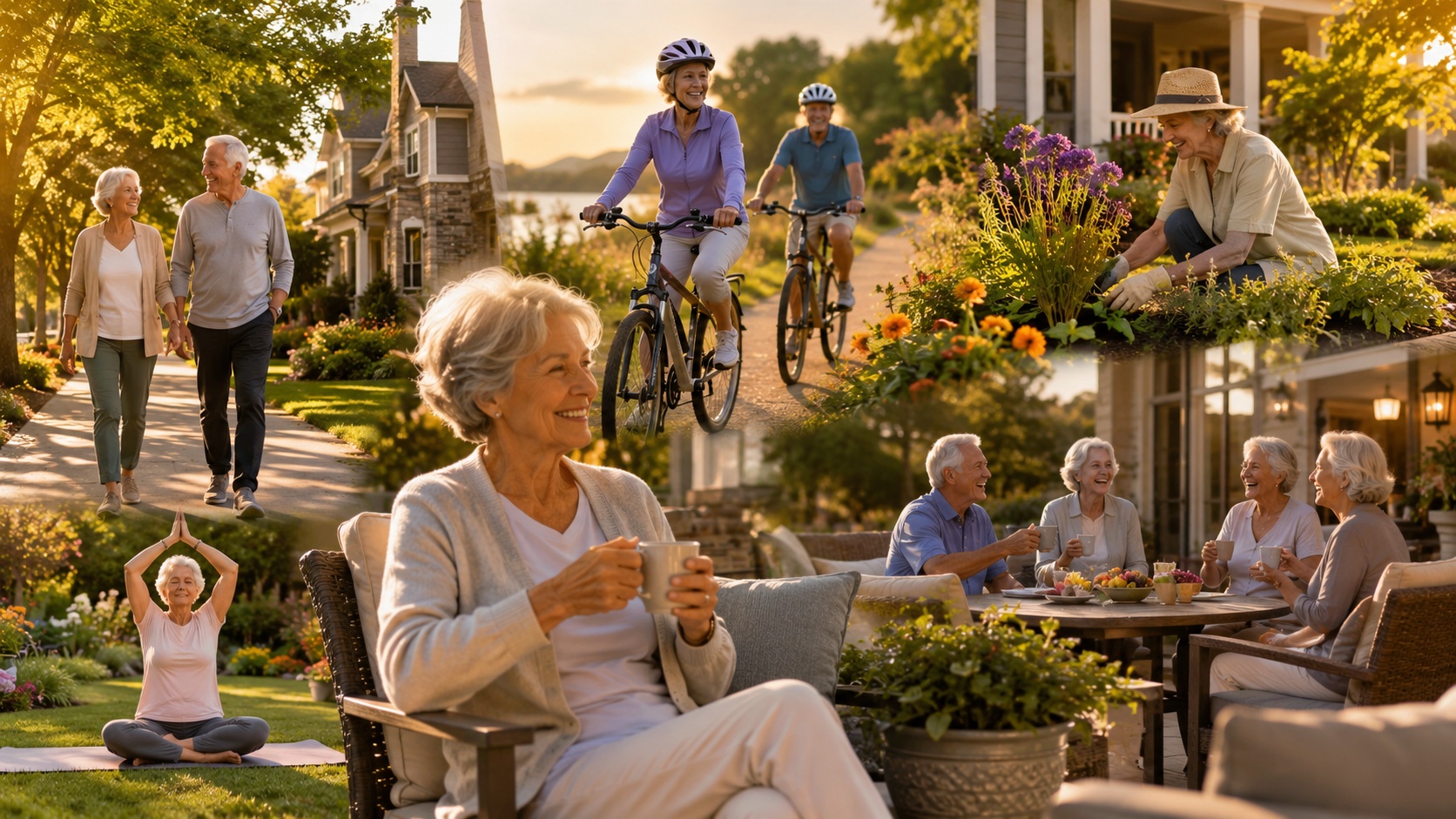
Daily walks through your neighborhood or local park improve circulation while reducing stress. Gardening strengthens muscles while providing gentle cardiovascular exercise. Swimming protects joints while improving endurance. Yoga enhances flexibility and balance, reducing the risk of falls. Dancing combines movement, coordination, and social interaction in an enjoyable way.
Strength training is equally important. Maintaining muscle mass helps preserve independence by making everyday activities easier, including climbing stairs, carrying groceries, standing from chairs, and lifting household items.
Consistency matters more than intensity. Thirty minutes of enjoyable activity most days of the week provides tremendous long-term health benefits.
Nourish Your Body for Long-Term Energy
Healthy eating becomes increasingly important with age. Good nutrition supports strong bones, healthy muscles, improved immunity, better brain function, and sustained energy throughout the day.
A colorful plate filled with fruits, vegetables, lean proteins, whole grains, healthy fats, and plenty of water provides essential nutrients your body needs to function at its best.
Protein deserves special attention during retirement because it helps preserve muscle mass and supports recovery after physical activity. Fish, poultry, beans, eggs, yogurt, and nuts are excellent choices.
Staying hydrated is another frequently overlooked aspect of healthy aging. Many older adults naturally experience reduced thirst, making dehydration more common than many realize. Drinking water consistently throughout the day supports digestion, circulation, cognitive function, and energy levels.
Healthy eating isn’t about strict diets or eliminating favorite foods. It’s about building sustainable habits that fuel an active lifestyle.
Design a Home That Supports Independence
Your home should work for you—not against you.
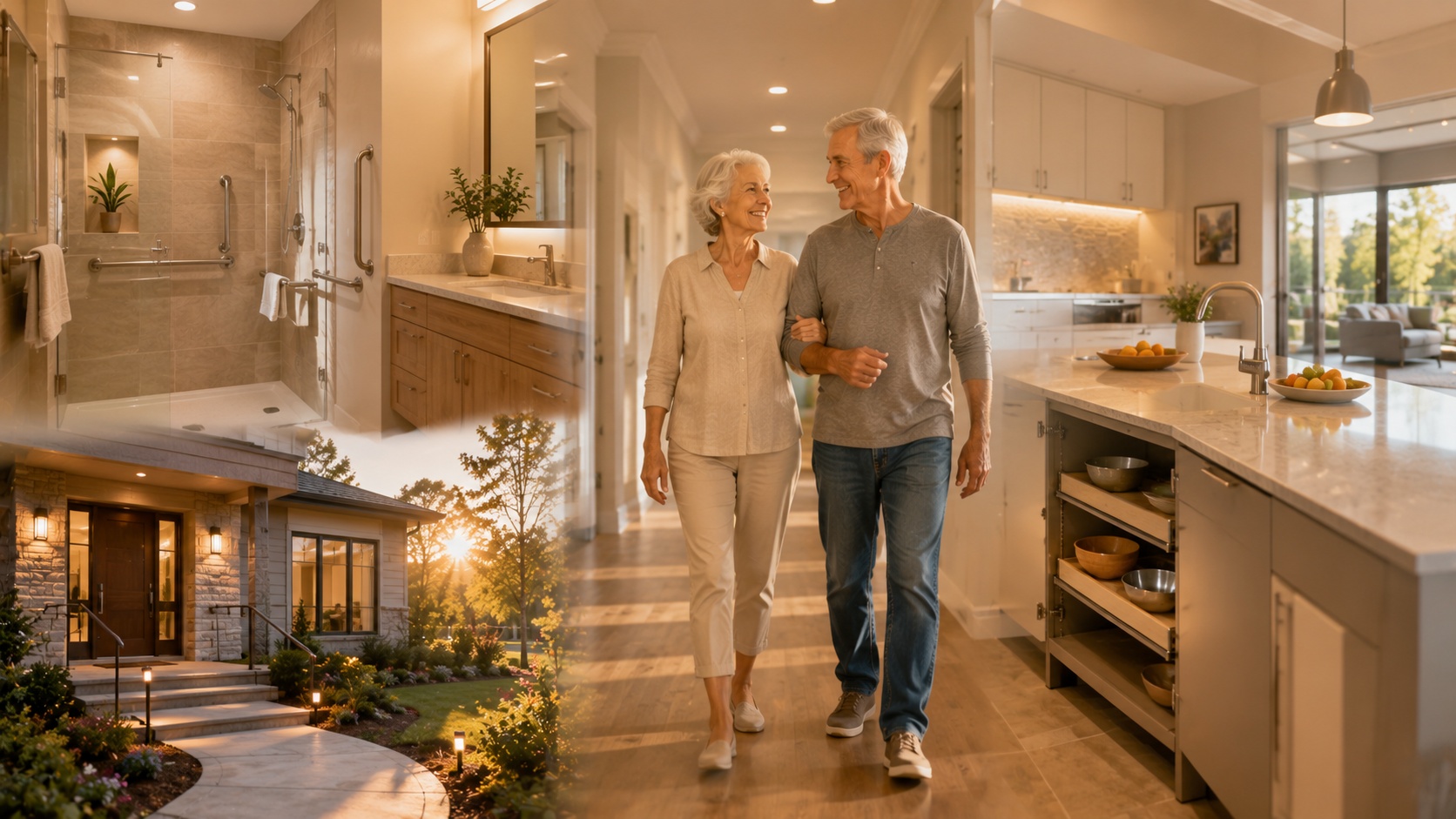
Many falls and household injuries can be prevented through simple modifications that improve safety without sacrificing comfort or style.
Good lighting throughout the home makes navigation easier, particularly during nighttime hours. Removing loose rugs reduces tripping hazards. Installing grab bars in bathrooms adds stability without dramatically changing the appearance of the space.
Non-slip flooring, comfortable furniture at appropriate heights, easy-to-reach storage, and handrails along stairways all contribute to greater confidence while moving around your home.
Smart home technology also plays an increasingly valuable role in independent living. Voice-controlled assistants, video doorbells, automated lighting, medication reminders, and smart thermostats simplify everyday tasks while enhancing safety.
Planning these improvements before they’re absolutely necessary allows you to continue enjoying your home comfortably for many years.
Keep Your Mind Active
Mental fitness deserves just as much attention as physical fitness.
The brain continues forming new neural connections throughout life, especially when challenged with fresh experiences and ongoing learning. Reading books, solving puzzles, playing strategy games, learning new languages, taking online courses, and mastering new technology all stimulate cognitive function.
Creative activities such as painting, photography, woodworking, writing, knitting, or playing musical instruments encourage problem-solving while providing deep personal satisfaction. Many retirees discover entirely new passions after leaving the workforce. Retirement provides the perfect opportunity to explore interests that busy careers may have postponed for decades.
Lifelong learning keeps curiosity alive while supporting memory, concentration, and emotional well-being.
Build Meaningful Social Connections
One of the greatest predictors of healthy aging isn’t found in a medicine cabinet—it’s found in human relationships.
Strong friendships and family connections reduce loneliness, lower stress, improve mental health, and even support physical wellness.
Retirement offers more flexibility to spend quality time with grandchildren, siblings, neighbors, and lifelong friends.
Joining community organizations, walking groups, book clubs, volunteer programs, churches, senior centers, hobby groups, or educational classes introduces new friendships while keeping social calendars active.
Technology also makes maintaining relationships easier than ever before. Video calls, messaging apps, and social media help families stay connected regardless of distance.
An active social life contributes significantly to both emotional happiness and long-term independence.
Create Purpose Beyond Retirement
Many people spend decades defining themselves through their careers. Retirement provides an opportunity to redefine purpose in exciting new ways.
Purpose doesn’t have to involve paid employment.
Volunteering at local charities, mentoring young professionals, coaching youth sports, participating in community improvement projects, caring for grandchildren, or supporting nonprofit organizations all provide meaningful ways to contribute.
Some retirees launch small businesses based on lifelong hobbies, while others write books, teach classes, consult professionally, or become involved in local government.
Purpose creates motivation, builds confidence, and adds structure to daily life while reinforcing a sense of accomplishment.
Prioritize Preventive Healthcare
Good health supports every aspect of independent living.
Regular medical checkups allow healthcare providers to identify potential concerns before they become serious problems. Routine vision exams help preserve safe driving and reduce fall risks. Hearing evaluations improve communication and strengthen social relationships. Dental care supports nutrition, comfort, and overall health.
Vaccinations, recommended health screenings, and medication reviews also play important roles in healthy aging. Being proactive about healthcare helps retirees stay ahead of many age-related challenges rather than reacting to them later.
Manage Your Finances with Confidence
Financial independence often supports personal independence.
Creating a retirement budget helps balance spending while protecting long-term savings. Monitoring investments, minimizing unnecessary debt, and maintaining emergency funds provide greater peace of mind during unexpected situations.
Many retirees also benefit from meeting periodically with financial advisors who can review investment strategies, tax planning, estate planning, and healthcare expenses. Knowing your finances are organized allows you to focus more on enjoying retirement instead of worrying about it.
Embrace Technology
Technology has become one of the greatest tools supporting independent living.
Smartphones allow retirees to communicate instantly with family members. Fitness watches monitor activity levels, heart rates, and sleep quality. GPS navigation reduces travel stress. Online banking simplifies financial management. Grocery delivery services provide convenience during busy weeks or poor weather.
Telehealth appointments make healthcare more accessible, while wearable emergency alert devices provide reassurance for both older adults and their families.
Learning new technology may seem intimidating initially, but many community centers, libraries, and senior organizations offer beginner-friendly classes that make the learning process enjoyable.
Technology should simplify life—not complicate it.
Continue Exploring the World
Retirement creates opportunities for adventure.
Travel introduces new cultures, cuisines, friendships, and experiences that keep life exciting. Whether exploring nearby national parks, taking scenic road trips, cruising internationally, or visiting grandchildren across the country, travel encourages movement, curiosity, and lifelong learning.
Adventure doesn’t always require extensive travel.
Exploring local museums, hiking new trails, attending festivals, visiting botanical gardens, or simply discovering a new neighborhood restaurant adds excitement to everyday life.
Maintaining a spirit of exploration helps keep retirement fresh and rewarding.
Develop Healthy Daily Routines
Successful independent living often depends on consistent routines. Waking at regular times, eating balanced meals, exercising daily, maintaining organized schedules, and setting personal goals create stability while supporting both physical and mental health. Healthy routines reduce stress, improve sleep quality, and make healthy decisions easier over time. Simple habits repeated consistently often produce extraordinary long-term results.
Stay Positive Through Life’s Changes
Retirement inevitably brings transitions. Health changes, family dynamics, relocation decisions, and new responsibilities are natural parts of life.
Maintaining a positive mindset allows retirees to approach these challenges with resilience rather than fear.
Practicing gratitude, celebrating small victories, maintaining realistic expectations, and focusing on opportunities instead of limitations all contribute to emotional well-being.
Optimism doesn’t ignore life’s difficulties—it simply refuses to let them define the future.
Independence Is a Journey, Not a Destination
Living independently isn’t about doing everything alone. It’s about creating a lifestyle that allows you to enjoy freedom, confidence, purpose, and fulfillment throughout retirement.
Every healthy habit you build today becomes an investment in tomorrow. Every walk strengthens your mobility. Every conversation enriches your relationships. Every nutritious meal supports your health. Every new experience keeps your mind curious and engaged.
Retirement represents one of life’s most exciting chapters because it offers something incredibly valuable: the opportunity to design each day according to your own priorities. By staying physically active, mentally curious, socially connected, financially prepared, and open to new experiences, you can continue enjoying the independence that makes retirement truly rewarding.
The goal isn’t simply to live longer—it’s to live better. Independent living empowers you to embrace each new day with confidence, knowing that your best years are not behind you, but are still unfolding one meaningful experience at a time.