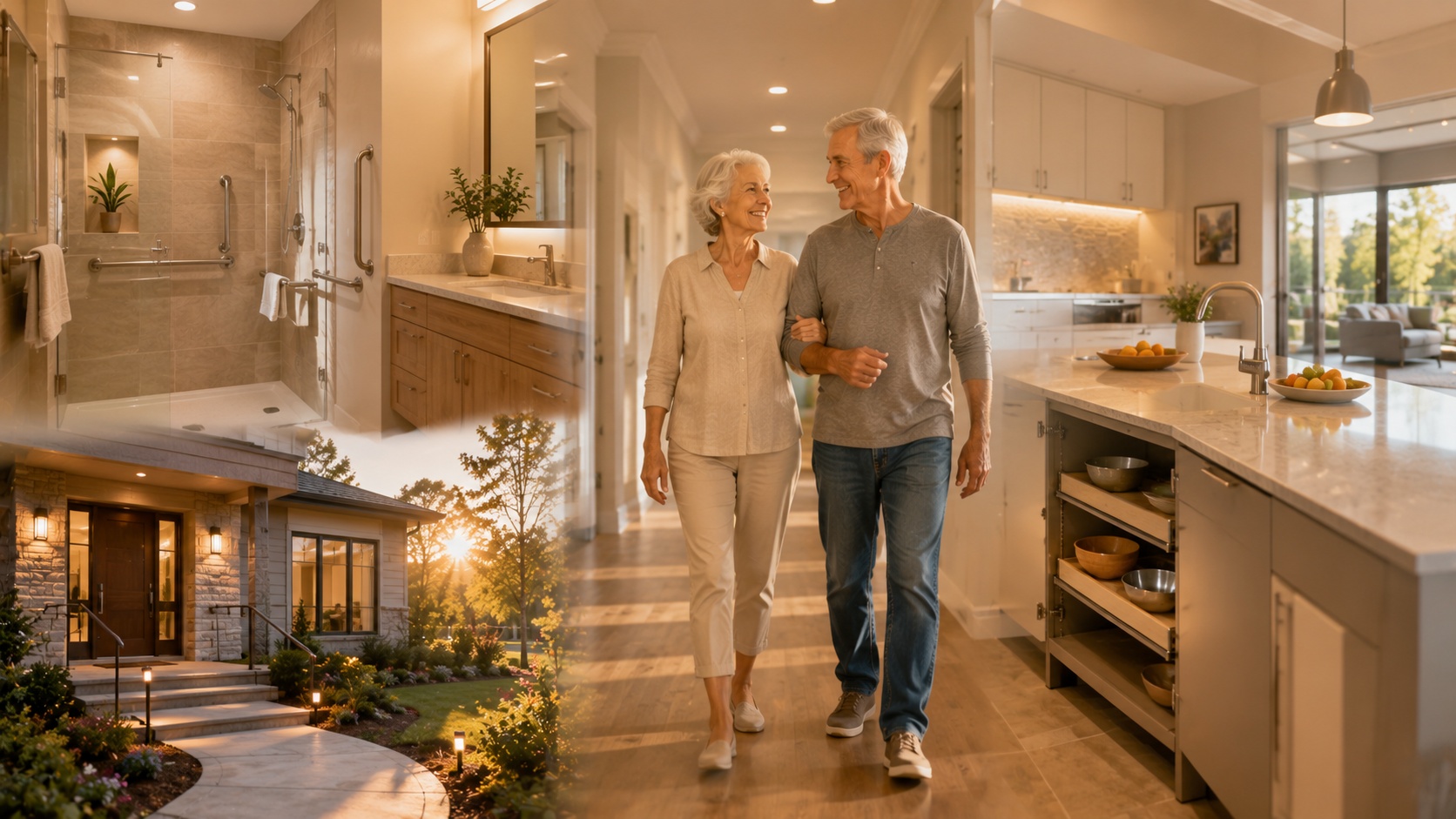
Home is more than just a place to live. It is where memories are made, traditions are shared, and comfort is found every single day. For many older adults, remaining in a familiar home is one of life’s greatest goals. Aging in place provides independence, emotional well-being, and the opportunity to continue enjoying a familiar neighborhood and community. However, as we age, our homes should evolve with us to provide greater safety, convenience, and accessibility. Many accidents that occur inside the home are entirely preventable. Small upgrades, thoughtful design choices, and regular maintenance can dramatically reduce the risk of falls, burns, injuries, and emergency situations. Fortunately, creating a safer home doesn’t always require expensive renovations. Often, simple improvements can make an enormous difference in everyday comfort and confidence. Whether you’re planning ahead for retirement, helping a loved one remain independent, or preparing a home for long-term aging in place, understanding the most effective home safety improvements can protect both health and quality of life. A well-designed home encourages movement, supports mobility, and provides peace of mind for everyone involved.
A: Begin by clearing walking paths, improving lighting, and removing or securing loose rugs.
A: Place them near the toilet, shower entrance, and bathing area where additional support is needed.
A: No. Towel bars are not designed to support body weight; use properly anchored grab bars.
A: Add secure handrails, bright lighting, nonslip surfaces, and visible markings along step edges.
A: It is safer to reorganize storage so frequently used objects can be reached without climbing.
A: They can provide faster access to assistance, especially for someone living alone or at risk of falling.
A: Test them regularly and follow the manufacturer’s instructions for battery and alarm replacement.
A: Yes. Automated lighting, video doorbells, voice assistants, and smart alarms can support safer independent living.
A: An occupational therapist, aging-in-place specialist, or qualified home safety professional can evaluate the home.
A: Review it yearly and after any fall, hospitalization, surgery, medication change, or decline in mobility.
Why Home Safety Matters More with Age
Growing older naturally brings changes in balance, strength, vision, hearing, flexibility, and reaction time. These changes don’t mean someone cannot live independently—they simply mean the home should better support everyday activities.
According to health organizations around the world, falls remain one of the leading causes of injury among older adults. Many of these incidents happen in familiar environments where people feel the safest. Uneven flooring, poor lighting, slippery bathrooms, cluttered walkways, and difficult staircases often become hidden hazards over time.
Improving home safety isn’t about making a home feel clinical or institutional. Modern aging-in-place design focuses on maintaining beautiful, welcoming spaces while seamlessly incorporating features that improve accessibility and reduce risk.
When homes are designed thoughtfully, older adults often enjoy greater confidence, increased mobility, reduced stress, and improved overall well-being.
Start with a Complete Home Safety Assessment
Before making changes, walk through every room with fresh eyes. Imagine navigating the space at night, carrying groceries, or moving around with limited mobility. Look for anything that could become an obstacle or increase the likelihood of injury.
Pay close attention to entrances, hallways, bathrooms, kitchens, staircases, bedrooms, garages, and outdoor walkways. Check flooring, lighting, furniture placement, electrical cords, rugs, and frequently used storage areas. Many occupational therapists and aging-in-place specialists offer professional home assessments that identify potential hazards while recommending practical improvements tailored to individual needs. A proactive assessment often uncovers risks that homeowners simply stopped noticing after years of living in the same environment.
Improve Lighting Throughout the Home
Good lighting is one of the simplest and most effective home safety improvements available.
As eyesight naturally changes with age, darker spaces become increasingly difficult to navigate. Shadows can disguise steps, objects, pets, or uneven flooring.
Replace dim bulbs with brighter LED lighting throughout the home while ensuring lighting remains comfortable rather than harsh. Install additional fixtures in hallways, staircases, bathrooms, closets, garages, and entrances.
Nightlights are especially valuable in bedrooms, bathrooms, and hallways, allowing safe movement during overnight trips.
Motion-activated lighting provides another excellent solution. Lights automatically illuminate when someone approaches, reducing the need to search for switches in dark areas.
Natural daylight should also be maximized whenever possible. Clean windows, trim outdoor landscaping that blocks sunlight, and use lighter-colored window treatments to brighten interior spaces.
Prevent Falls by Improving Flooring
Flooring deserves careful attention because it directly affects everyday mobility.
Loose throw rugs remain one of the most common household hazards. Either remove them entirely or secure them using high-quality non-slip backing.
Repair cracked flooring, curled carpeting, loose tiles, uneven transitions between rooms, and worn stair coverings.
Hardwood, luxury vinyl plank, cork, and slip-resistant flooring materials often provide safer walking surfaces than highly polished finishes.
Keep pathways completely clear of shoes, decorative items, electrical cords, pet toys, and unnecessary furniture.
Simple changes in flooring can significantly reduce the chance of tripping while creating a cleaner, more spacious environment.
Make Bathrooms Much Safer
Bathrooms combine water, smooth surfaces, and limited space, making them one of the highest-risk areas in any home.
Installing grab bars near toilets and inside showers provides stable support during transfers and movement. Modern grab bars come in attractive finishes that blend seamlessly with contemporary bathroom designs.
Walk-in showers eliminate the need to step over high bathtub walls, dramatically reducing fall risks. Non-slip flooring and textured shower surfaces improve traction even when wet.
Handheld showerheads offer flexibility while allowing individuals to remain seated during bathing if needed. A sturdy shower chair provides additional comfort and confidence without sacrificing independence.
Raised toilet seats may also make sitting and standing easier for people experiencing arthritis or limited mobility. These improvements create a bathroom that supports dignity, safety, and independence every day.
Upgrade the Kitchen for Comfort and Accessibility
The kitchen often remains the heart of the home, making safety improvements particularly valuable.
Frequently used dishes, cookware, and pantry items should be stored between waist and shoulder height to minimize reaching or bending.
Install pull-out shelves, lazy Susans, soft-close drawers, and deep storage organizers that improve visibility and access.
Replace difficult-to-turn faucet handles with lever-style controls.
Induction cooktops provide an added layer of safety because they generate heat only when compatible cookware is present, reducing burn risks.
Adequate task lighting beneath cabinets makes food preparation easier while helping prevent accidents involving knives or hot cookware.
Keep fire extinguishers easily accessible and regularly inspect smoke detectors near the kitchen.
Creating an organized workspace also reduces unnecessary movement and makes cooking more enjoyable.
Improve Staircase Safety
Stairs demand extra attention because they combine elevation changes with daily foot traffic.
Install secure handrails on both sides whenever possible.
Repair loose steps, damaged railings, squeaky boards, or uneven stair heights.
Apply non-slip stair treads for better traction.
Improve lighting at both the top and bottom of every staircase.
High-contrast stair edging can help individuals with reduced vision distinguish each step more clearly.
For homes where stairs become increasingly difficult, stair lifts provide an excellent long-term accessibility solution that allows continued use of multiple levels.
Create a Safer Bedroom Environment
Bedrooms should encourage restful sleep while allowing safe movement during both day and night.
Keep frequently used items within easy reach of the bed.
Choose bedside tables with rounded corners and stable construction.
Ensure the mattress height allows feet to rest comfortably on the floor when sitting at the edge.
Install bedside lamps with easy-to-reach switches or touch controls.
Motion-activated nightlights leading to the bathroom reduce nighttime fall risks.
Avoid overcrowding the bedroom with unnecessary furniture that limits walking space.
A comfortable, organized bedroom promotes both safety and better sleep quality.
Enhance Entryways and Outdoor Spaces
The journey into the home should be just as safe as the interior.
Repair cracked sidewalks, uneven pathways, loose pavers, and damaged steps.
Install railings wherever elevation changes occur.
Add slip-resistant surfaces to porches, decks, ramps, and entryways.
Keep outdoor lighting bright enough to illuminate walkways without producing glare.
Trim shrubs, tree branches, and landscaping that obstruct visibility.
During colder months, promptly remove snow, ice, and wet leaves that create slippery conditions.
A welcoming entrance should inspire confidence rather than caution.
Install Smart Home Safety Technology
Modern technology has transformed home safety in remarkable ways.
Smart smoke detectors send alerts directly to smartphones if smoke or carbon monoxide is detected.
Video doorbells allow homeowners to identify visitors without opening the door.
Smart locks eliminate concerns about lost keys while allowing trusted family members emergency access when necessary.
Voice-controlled assistants can control lights, answer questions, make phone calls, play reminders, and even contact emergency services.
Medical alert systems provide immediate access to help after falls or emergencies, whether inside or outside the home.
Automatic lighting schedules create the appearance that someone is home while improving nighttime visibility.
Technology works best when it remains simple, reliable, and easy to use.
Organize the Home to Reduce Hazards
Organization contributes more to safety than many people realize.
Remove unnecessary clutter from floors, hallways, closets, and staircases.
Store heavier items on lower shelves to avoid lifting injuries.
Label storage containers clearly.
Keep emergency supplies together in one easily accessible location.
Arrange frequently used household items where they can be reached comfortably without climbing stools or ladders.
Regular decluttering also creates more open walking paths while making everyday tasks less physically demanding.
Improve Fire and Emergency Preparedness
Preparedness saves valuable time during emergencies.
Test smoke detectors monthly and replace batteries as recommended.
Install carbon monoxide detectors near sleeping areas.
Create an emergency escape plan and review it regularly with family members.
Keep flashlights in accessible locations throughout the home.
Store emergency contact information in visible locations and program important numbers into phones.
Ensure fire extinguishers remain charged and that everyone understands how to operate them safely.
Preparation builds confidence while reducing panic during unexpected situations.
Choose Furniture That Supports Mobility
Furniture should make movement easier rather than more difficult.
Chairs with sturdy arms provide helpful support when sitting or standing.
Avoid extremely low sofas that require excessive effort to rise from.
Secure bookshelves, televisions, and tall cabinets to walls where appropriate.
Round furniture edges reduce injury risks during accidental bumps.
Arrange furniture to create wide, unobstructed walking paths throughout the home.
Comfort and functionality should always work together.
Consider Future Accessibility Today
One of the smartest approaches to home safety involves planning ahead before mobility changes occur.
Wider doorways accommodate walkers and wheelchairs if needed later.
Lever-style door handles are easier to operate than traditional knobs.
Minimal-threshold entrances improve accessibility while reducing tripping hazards.
Open floor plans allow easier navigation throughout the home.
Even if these features aren’t immediately necessary, incorporating them during renovations often proves more economical than making emergency modifications later.
Future-ready homes provide flexibility without sacrificing style.
Support Healthy Living Through Better Indoor Air Quality
A safe home also supports respiratory health.
Replace HVAC filters regularly.
Maintain heating and cooling systems according to manufacturer recommendations.
Control humidity levels to discourage mold growth.
Ensure proper ventilation in kitchens, bathrooms, and laundry areas.
Use non-toxic cleaning products whenever possible.
Indoor plants, when chosen carefully and maintained properly, can also contribute to a pleasant living environment.
Fresh, clean air improves comfort while supporting long-term wellness.
Build a Home That Encourages Independence
One of the greatest benefits of thoughtful home safety improvements is the confidence they provide. When people feel secure navigating their own homes, they remain more active, socially engaged, and physically independent. Everyday activities become easier rather than stressful.
Family members also gain reassurance knowing their loved ones live in an environment designed to reduce unnecessary risks. Safety improvements should empower people rather than restrict them. The goal is to support active living while preserving personal dignity and freedom.
Regular Maintenance Is an Ongoing Investment
Home safety isn’t a one-time project. It requires regular attention.
Inspect flooring, railings, lighting, smoke detectors, appliances, plumbing, and electrical systems on a routine basis.
Replace worn equipment before problems develop.
Seasonal home inspections help identify small maintenance issues before they become major hazards.
By viewing maintenance as preventive care rather than repair, homeowners create environments that remain safe for years to come.
The Future of Aging in Place
Modern home design continues evolving to better support older adults. Universal design principles, smart technology, energy-efficient construction, and accessible architecture are becoming increasingly common in both new homes and renovations. Rather than focusing solely on preventing accidents, today’s safety improvements emphasize comfort, beauty, convenience, and lifelong usability. As technology advances, homes will become even more responsive to residents’ needs through automated lighting, health monitoring, voice assistance, fall detection, and personalized accessibility features. These innovations promise to make independent living more achievable than ever before.
Final Thoughts
Home safety improvements are among the most valuable investments older adults and their families can make. Every thoughtful upgrade—from brighter lighting and safer bathrooms to organized kitchens and smart home technology—helps create an environment where independence can flourish.
The best safety modifications are often those that blend naturally into everyday life, providing support without changing the warmth and personality of a beloved home. Whether making a few simple adjustments or planning a complete aging-in-place renovation, each improvement contributes to greater confidence, reduced injury risk, and improved quality of life.
A safe home is more than a protected space. It is a place where older adults can continue pursuing hobbies, welcoming family, creating memories, and enjoying each day with comfort, dignity, and peace of mind. By taking proactive steps today, homeowners can build an environment that supports healthy aging, encourages lifelong independence, and allows them to enjoy everything home truly represents for many years to come.