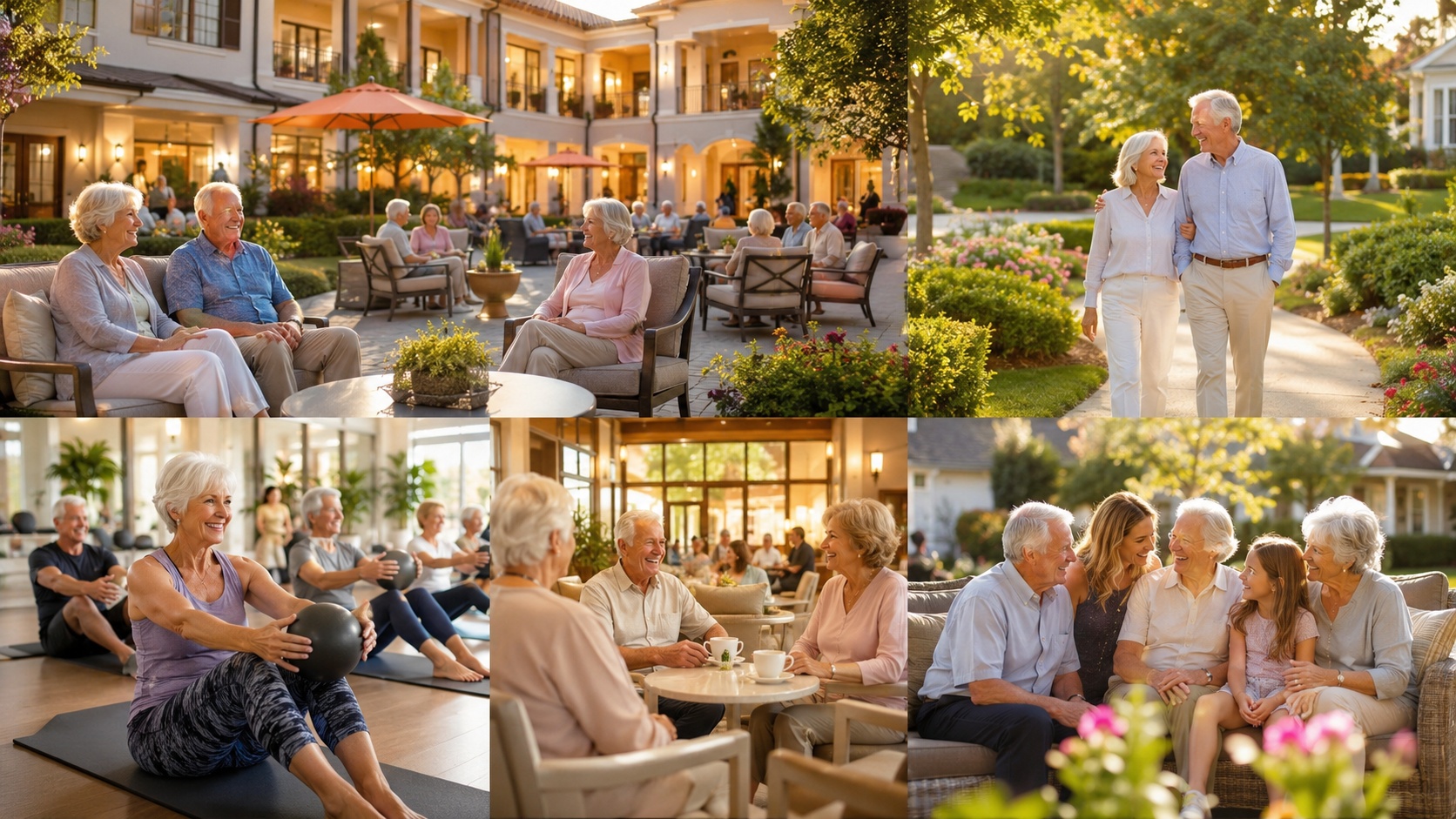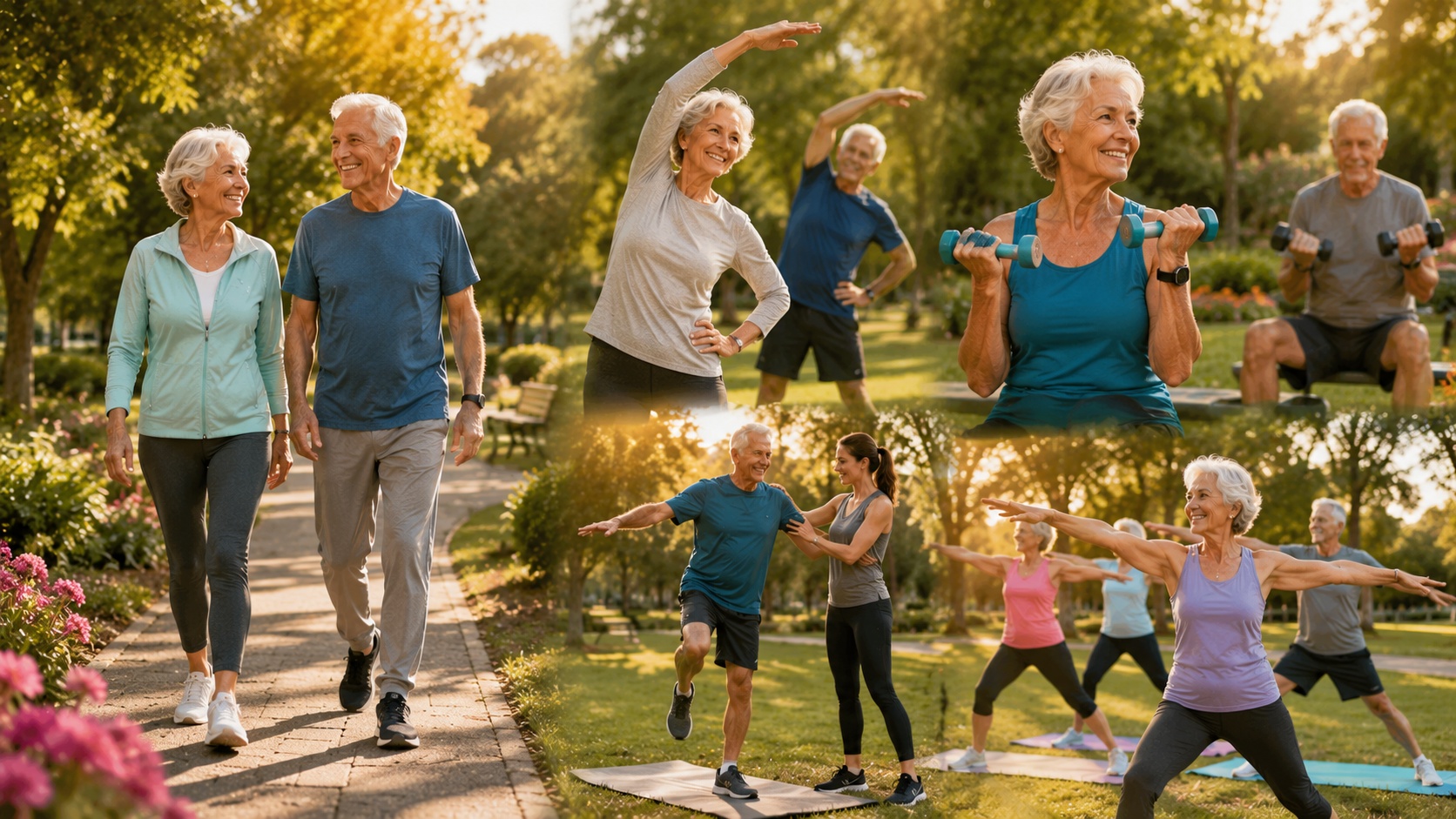
Aging is a journey filled with new experiences, cherished memories, and opportunities to enjoy life in meaningful ways. While growing older naturally brings physical changes, it does not mean giving up an active lifestyle. In fact, regular movement becomes even more important with age, helping maintain independence, confidence, and overall well-being. Daily fitness, exercise, and mobility are not reserved for athletes or fitness enthusiasts. They are essential habits that help seniors perform everyday activities with greater ease, whether carrying groceries, climbing stairs, gardening, traveling, or simply playing with grandchildren. Movement strengthens muscles, protects joints, supports heart health, sharpens the mind, and contributes to a happier outlook on life. The good news is that you do not need expensive equipment, a gym membership, or hours of intense workouts to experience remarkable benefits. Small, consistent efforts often produce the greatest long-term rewards. Gentle stretching in the morning, a daily walk through the neighborhood, simple balance exercises, and light strength training can transform both physical health and quality of life. Whether you’re just beginning a fitness routine or looking for ways to improve your current habits, this guide offers practical daily fitness, exercise, and mobility tips designed specifically for seniors. Every step you take today is an investment in a healthier tomorrow.
A: Aim for regular activity throughout the week, combining aerobic movement, strength, balance, and flexibility according to your abilities.
A: Walking is excellent, but adding strength, balance, and flexibility exercises creates a more complete routine.
A: Yes. Seated marching, leg extensions, arm raises, resistance-band exercises, and ankle movements can all be beneficial.
A: Choose low-impact activities, warm up gradually, reduce your range of motion, and follow guidance from a healthcare professional.
A: Supported single-leg stands, heel-to-toe walking, side steps, tai chi, and controlled weight shifts may help.
A: Yes. Appropriate strength training can support muscles, bones, posture, balance, and daily independence.
A: Start with five to ten comfortable minutes and gradually add time as your endurance improves.
A: Mild muscle effort is normal, but sharp pain, chest pain, dizziness, or unusual shortness of breath are warning signs to stop.
A: Begin with seated or supported exercises, use a sturdy surface, remove home hazards, and consider professional balance training.
A: Consult your healthcare professional when you have medical conditions, recent surgery, unexplained symptoms, or concerns about exercising safely.
Why Daily Movement Matters More Than Ever
Our bodies are designed to move. As we age, periods of inactivity can lead to muscle loss, stiff joints, reduced flexibility, slower metabolism, poor balance, and decreased cardiovascular health. Fortunately, the opposite is equally true. Regular movement encourages the body to remain strong, adaptable, and resilient.
Exercise stimulates circulation, delivering oxygen and nutrients throughout the body. Strong muscles support healthy joints, reducing discomfort and improving posture. Better flexibility helps prevent injuries while making everyday movements easier. Balance exercises reduce the risk of falls, one of the most significant health concerns for older adults.
Beyond physical improvements, movement benefits emotional and mental wellness. Physical activity releases endorphins that elevate mood, reduce stress, and promote relaxation. Many seniors also report better sleep, improved memory, increased confidence, and greater social engagement when exercise becomes part of their daily routine.
Daily activity isn’t about achieving perfection. It’s about creating consistency that supports lifelong health.
Start Every Morning with Gentle Mobility
Morning stiffness is common because joints and muscles become less active during sleep. Beginning each day with gentle mobility exercises helps wake up the body gradually and prepares it for daily activities. Simple neck rolls, shoulder circles, arm reaches, ankle rotations, and gentle spinal twists encourage healthy movement while increasing blood flow. Stretching the calves, hamstrings, hips, and lower back can reduce tightness that develops overnight. Deep breathing paired with slow movements creates a calming morning ritual that energizes both body and mind. Rather than rushing through these exercises, focus on smooth, controlled motions while listening carefully to your body’s signals. A relaxed ten-minute mobility routine can improve flexibility, reduce discomfort, and establish a positive tone for the entire day.
Walking Remains One of the Best Exercises for Seniors
Walking continues to be one of the safest, most accessible, and highly recommended forms of exercise for older adults. It strengthens the heart, improves endurance, supports healthy weight management, and enhances overall mobility without placing excessive stress on joints.
Walking outdoors also provides valuable exposure to fresh air and natural sunlight, supporting healthy vitamin D levels and improving mood. Parks, walking trails, shopping centers, and quiet neighborhoods all provide excellent opportunities to stay active.
Consistency matters more than speed. Even twenty to thirty minutes of walking most days of the week offers significant health benefits. Those who find longer walks challenging can divide activity into several shorter sessions throughout the day. Comfortable footwear, proper hydration, and maintaining good posture help make every walk more enjoyable and safer.
Build Strength to Protect Your Independence
Muscle naturally declines with age, but strength training helps slow or even reverse much of this process. Maintaining muscle strength makes everyday tasks significantly easier while reducing the risk of falls and injuries.
Simple exercises using body weight, resistance bands, or light dumbbells effectively strengthen major muscle groups. Chair squats improve leg strength for sitting and standing. Wall push-ups build upper-body endurance. Bicep curls strengthen the arms for lifting groceries or household items. Heel raises reinforce the calves and ankles for better walking stability.
Strength training does not require heavy lifting. Controlled movements performed two or three times each week can dramatically improve function, confidence, and overall quality of life. Allowing muscles adequate time to recover between sessions encourages healthy growth while minimizing soreness.
Improve Balance to Reduce Fall Risk
Falls remain one of the leading causes of injury among seniors, but balance training significantly lowers that risk. Good balance relies on muscle strength, coordination, flexibility, vision, and awareness of body position.
Standing on one foot while holding onto a sturdy chair, walking heel-to-toe, gentle side leg raises, and controlled weight shifts all strengthen balance skills.
Practicing balance for only a few minutes daily gradually improves stability. Many seniors also enjoy activities such as Tai Chi, which combines slow, graceful movements with deep breathing and concentration.
Balance training builds confidence in everyday situations, making stairs, sidewalks, and uneven surfaces less intimidating.
Stretch Every Day for Greater Flexibility
Flexibility naturally decreases with age, often causing muscles to tighten and limiting comfortable movement. Daily stretching helps maintain joint range of motion while improving posture and reducing muscle tension.
Stretching should never feel painful. Instead, each movement should create a gentle sensation of lengthening while remaining comfortable. Holding stretches for twenty to thirty seconds allows muscles to relax without bouncing or forcing the movement.
The shoulders, chest, hips, hamstrings, calves, wrists, and lower back particularly benefit from regular stretching. Improved flexibility supports easier movement throughout the day, making activities like dressing, reaching shelves, gardening, and getting into a car noticeably simpler.
Support Heart Health Through Aerobic Exercise
Cardiovascular exercise strengthens the heart while improving circulation and endurance. Walking remains the most popular choice, but seniors also enjoy cycling on stationary bikes, water aerobics, swimming, dancing, and low-impact fitness classes.
Aerobic exercise helps manage blood pressure, cholesterol, blood sugar, and overall cardiovascular health. It also boosts energy levels while supporting healthy brain function. The goal is to find enjoyable activities that encourage consistency rather than focusing solely on intensity.
Always begin with a gradual warm-up and finish with a gentle cool-down to help the body adjust comfortably.
Keep Your Joints Moving
Healthy joints depend on regular movement. While arthritis and stiffness may discourage activity, appropriate exercise often helps reduce discomfort rather than worsen it.
Gentle range-of-motion exercises nourish joint cartilage by increasing circulation and encouraging healthy lubrication. Swimming and water aerobics are particularly beneficial because water supports body weight while allowing comfortable movement.
Maintaining a healthy body weight also reduces unnecessary pressure on hips, knees, and ankles.
Listening to your body remains important. Mild soreness after activity may be normal, but sharp or persistent pain should be evaluated by a healthcare professional.
Make Fitness Part of Everyday Life
Exercise does not always require structured workouts. Everyday activities provide valuable opportunities to stay active.
Gardening strengthens muscles while improving flexibility. Household chores keep the body moving. Taking stairs whenever possible increases endurance. Parking farther away encourages extra walking. Playing with grandchildren naturally incorporates movement, laughter, and connection.
Viewing movement as part of daily living rather than a separate task often makes maintaining healthy habits much easier.
Every step contributes toward better long-term health.
Hydration Supports Better Performance
Water plays a vital role in maintaining healthy muscles, joints, circulation, and body temperature. Unfortunately, many older adults experience reduced thirst sensations, making dehydration more common. Drinking water consistently throughout the day supports exercise performance while helping prevent fatigue, dizziness, and muscle cramps. Hydration becomes even more important during warm weather or after extended physical activity. Keeping a reusable water bottle nearby serves as a simple reminder to drink regularly.
Eat to Fuel Your Body
Exercise and nutrition work together to support healthy aging. Protein helps repair muscles after physical activity, while fruits, vegetables, whole grains, healthy fats, and calcium-rich foods provide the nutrients needed for strong bones and sustained energy. Balanced meals also support immune function, cognitive health, and healthy weight management. Rather than focusing on restrictive diets, prioritize colorful, nutrient-dense foods that provide lasting nourishment. Healthy eating complements daily movement, creating a strong foundation for lifelong wellness.
Listen Carefully to Your Body
Every individual ages differently, making personalized exercise important. Some days the body feels energetic, while other days call for gentler movement and additional rest.
Learning to distinguish between normal muscle fatigue and pain helps prevent injury.
Starting slowly and increasing activity gradually builds strength safely over time.
Healthcare providers and physical therapists can offer valuable guidance when beginning new exercise routines, especially for individuals managing chronic conditions or recovering from injuries.
Progress should always be measured by improved function, increased confidence, and greater enjoyment rather than comparing yourself with others.
Exercise with Friends and Family
Fitness becomes more enjoyable when shared with others. Walking groups, community fitness classes, senior recreation centers, swimming clubs, and neighborhood exercise groups provide motivation while encouraging valuable social interaction.
Family members can also become exercise partners by joining walks, stretching sessions, or outdoor activities. Social fitness creates accountability while reducing feelings of loneliness and isolation. Laughter, conversation, and companionship often become just as beneficial as the exercise itself.
Prioritize Recovery and Quality Sleep
Recovery is an essential component of every fitness program. During periods of rest, muscles repair themselves while the body adapts to increased activity. Quality sleep supports physical recovery, memory, hormone balance, and emotional well-being.
Gentle evening stretching, relaxation breathing, limiting caffeine late in the day, and maintaining a consistent bedtime routine all contribute to better sleep quality. Recovery allows seniors to remain active consistently without excessive fatigue or overuse injuries.
Stay Motivated Throughout the Year
Maintaining long-term exercise habits requires realistic expectations and achievable goals. Rather than focusing on dramatic transformations, celebrate everyday successes. Walking a little farther, standing more comfortably, improving flexibility, or climbing stairs with greater ease all represent meaningful progress.
Keeping an activity journal can highlight improvements that might otherwise go unnoticed. Variety also helps maintain enthusiasm. Rotating between walking, stretching, strength training, swimming, yoga, dancing, and gardening keeps exercise enjoyable while challenging different muscle groups.
Most importantly, choose activities you genuinely enjoy. Consistency naturally follows enjoyment.
Create a Safe Home Exercise Environment
Safety should always remain a priority during exercise. Clear walkways of clutter, secure loose rugs, ensure adequate lighting, and wear supportive athletic shoes with good traction.
Using sturdy chairs or countertops for balance exercises provides additional stability.
Keeping exercise equipment organized minimizes trip hazards while creating a welcoming space for daily movement.
Before beginning any new exercise program, especially if you have heart disease, diabetes, osteoporosis, arthritis, or other medical conditions, discuss your plans with your healthcare provider.
A safe environment encourages confidence while reducing unnecessary risks.
Embrace Lifelong Mobility
Mobility is about much more than walking from one place to another. It represents freedom, independence, confidence, and the ability to participate fully in life’s experiences. Strong muscles make travel easier. Flexible joints allow comfortable movement. Healthy balance prevents falls. Good endurance supports adventures with family and friends. Every gentle stretch, every walk around the neighborhood, every strength exercise, and every balance drill contributes toward maintaining this valuable independence. The remarkable truth is that it’s never too late to begin moving more.
The Journey to Better Health Starts Today
Daily fitness, exercise, and mobility are among the most powerful tools available for healthy aging. They strengthen the body, sharpen the mind, elevate mood, reduce disease risk, and preserve the independence that allows seniors to enjoy life to its fullest.
You don’t need extraordinary athletic ability to experience these benefits. You simply need consistency, patience, and a willingness to take one small step each day.
Start with gentle stretches. Add a short walk. Practice balance while holding onto a chair. Lift light weights or resistance bands. Drink enough water. Nourish your body with healthy foods. Rest when needed and celebrate every achievement along the way.
Healthy aging is not defined by the number of birthdays you’ve celebrated. It’s defined by your ability to continue living with strength, purpose, confidence, and joy.
Every day offers another opportunity to move, grow stronger, and embrace the vibrant, active lifestyle you deserve. Your future health begins with the choices you make today, and every step forward is a step toward a longer, healthier, and more fulfilling life.