
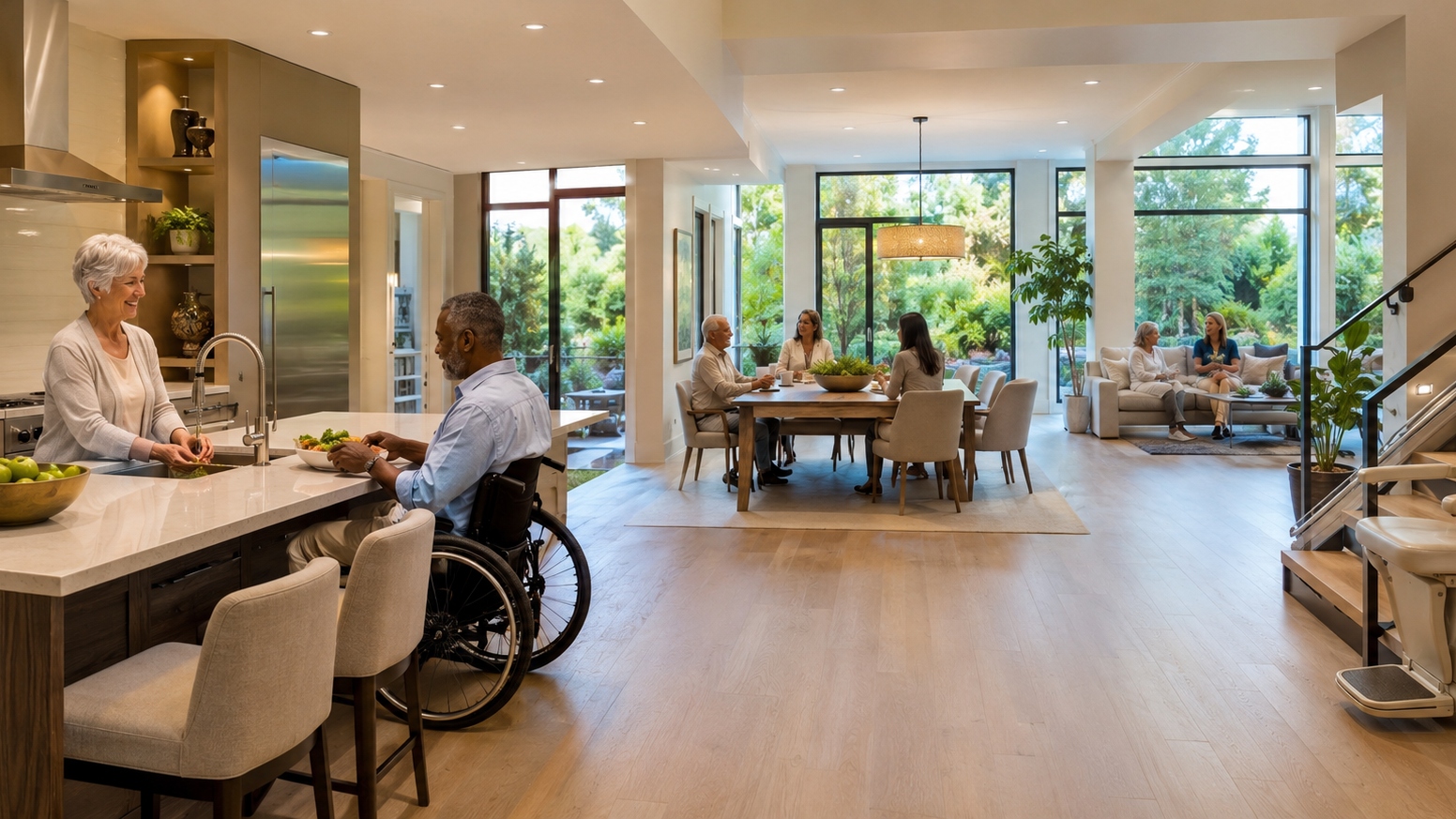
Creating a home that is safe, comfortable, and easy to navigate can make all the difference in maintaining independence and enjoying everyday life. Accessibility remodeling focuses on transforming living spaces into environments that support changing mobility, enhance convenience, and provide greater peace of mind without sacrificing style or personality. Whether you’re planning simple upgrades or a complete home renovation, thoughtful design can help you remain confident and comfortable for years to come. From barrier-free bathrooms and wider doorways to smart lighting, slip-resistant flooring, ramps, stair lifts, and accessible kitchens, modern remodeling solutions are more attractive and functional than ever before. This Accessibility Remodeling section of Senior Street brings together expert guides, practical advice, innovative ideas, and real-world inspiration to help you create a home that fits your lifestyle today while preparing for tomorrow. You’ll discover cost-saving tips, product recommendations, planning strategies, and creative design solutions that blend safety with beauty. Explore our growing collection of articles and learn how accessibility remodeling can improve comfort, increase home value, reduce everyday challenges, and support active, independent living at every stage of life.
A: It involves modifying a home to improve safety, mobility, comfort, and independent use for people of varying abilities.
A: Start with a professional home assessment and prioritize entrances, bathrooms, stairs, lighting, and frequently used living spaces.
A: No. Modern universal design features can be elegant, subtle, and fully coordinated with the home’s style.
A: A curbless shower with secure grab bars, non-slip flooring, good lighting, and a comfortable bench provides significant benefits.
A: The right option depends on available space, elevation, mobility needs, local codes, and budget.
A: Yes. Roll-under workspaces, reachable storage, side-opening appliances, and wider clearances can greatly improve usability.
A: Properly installed stair lifts include safety sensors, seat belts, swivel seats, and backup power options.
A: Well-designed improvements may appeal to a wider range of buyers and increase the home’s long-term functionality.
A: Structural, plumbing, electrical, ramp, and major bathroom changes may require permits depending on local regulations.
A: Prioritize essential safety upgrades, compare contractor estimates, reuse suitable materials, and complete improvements in planned phases.